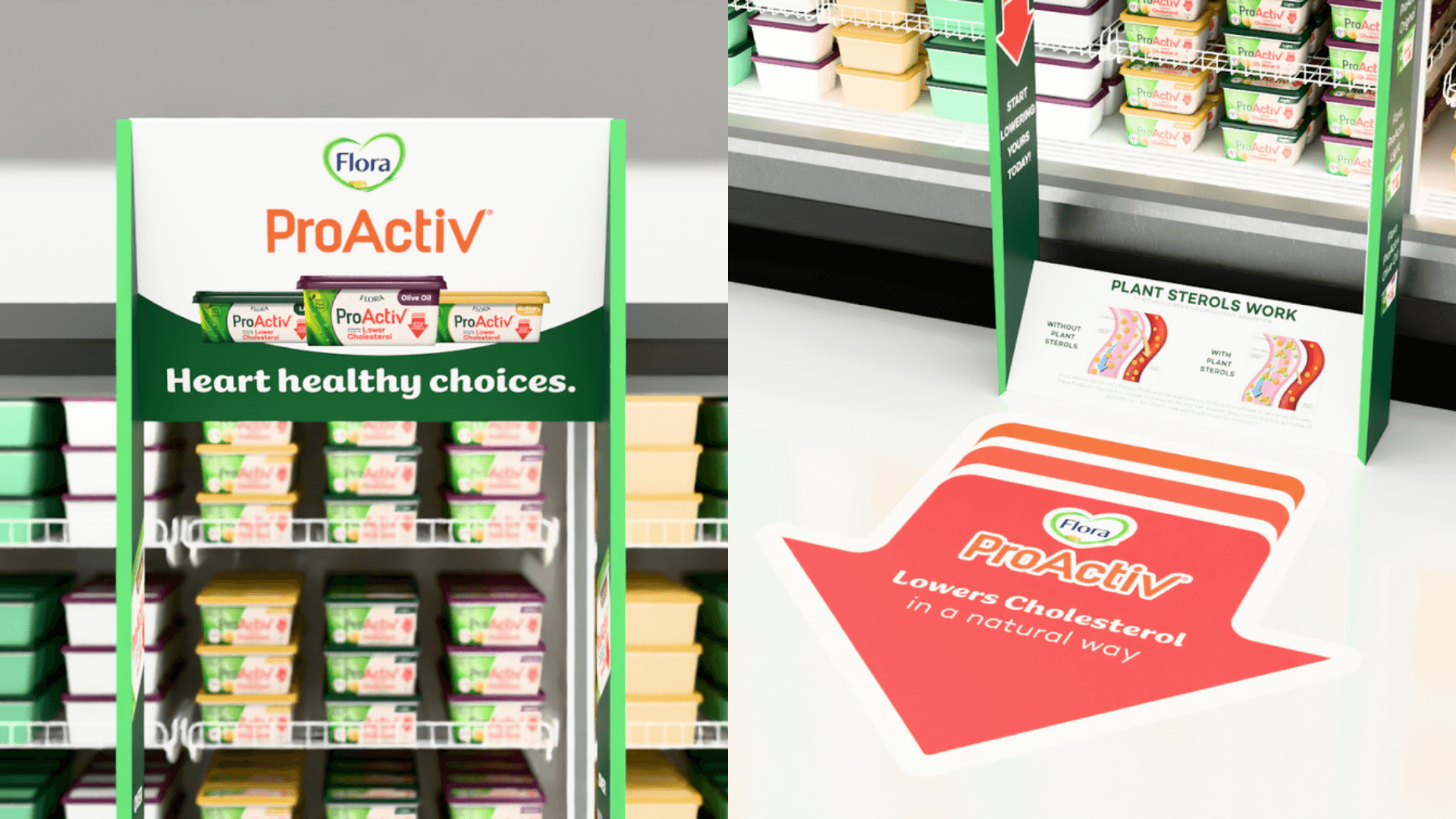
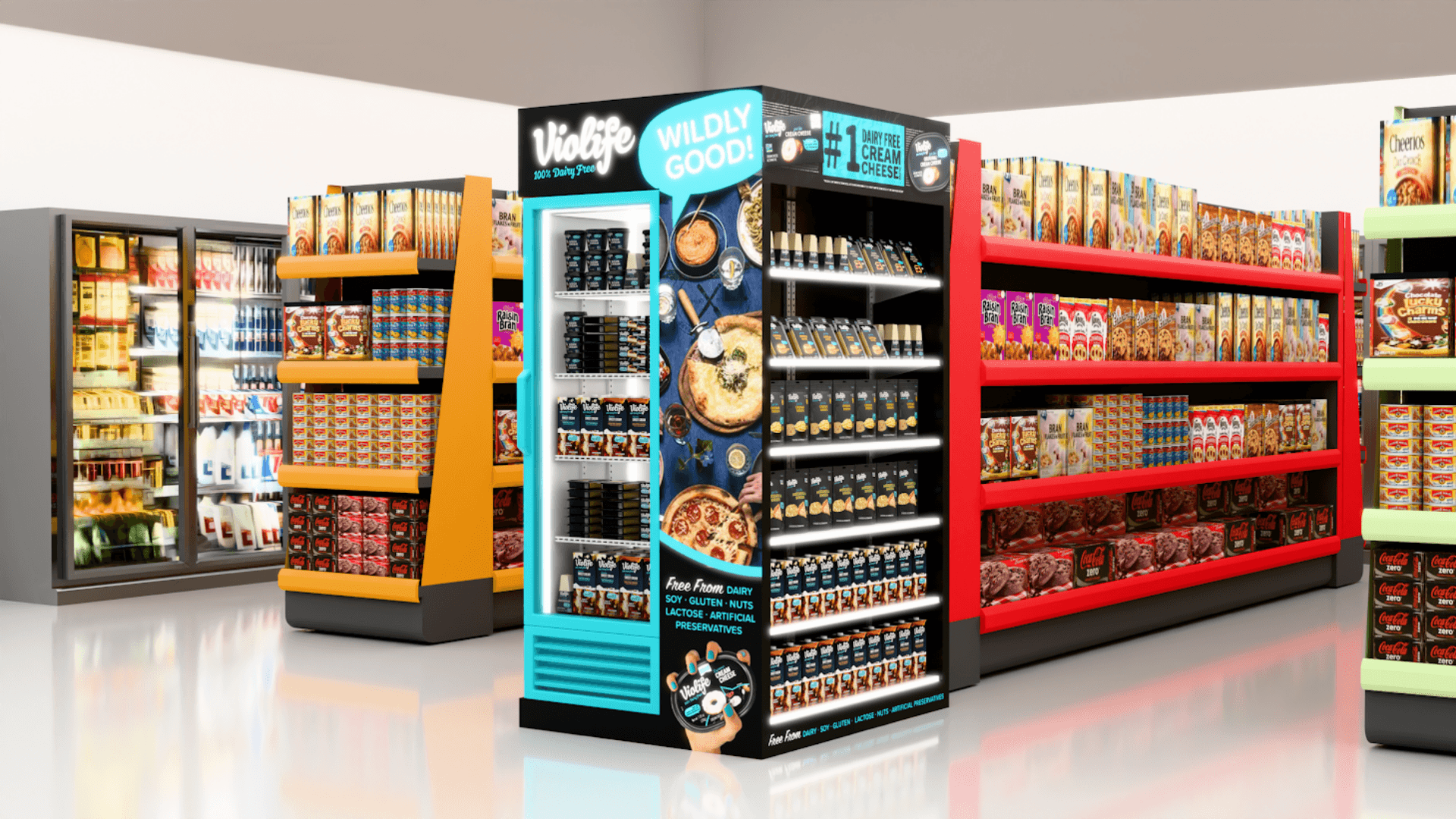
A great retail display isn’t just about good looks. It’s a conversion machine. Done well, it guides the shopper’s eye, anchors the brand’s story, and triggers action, all in a matter of seconds.
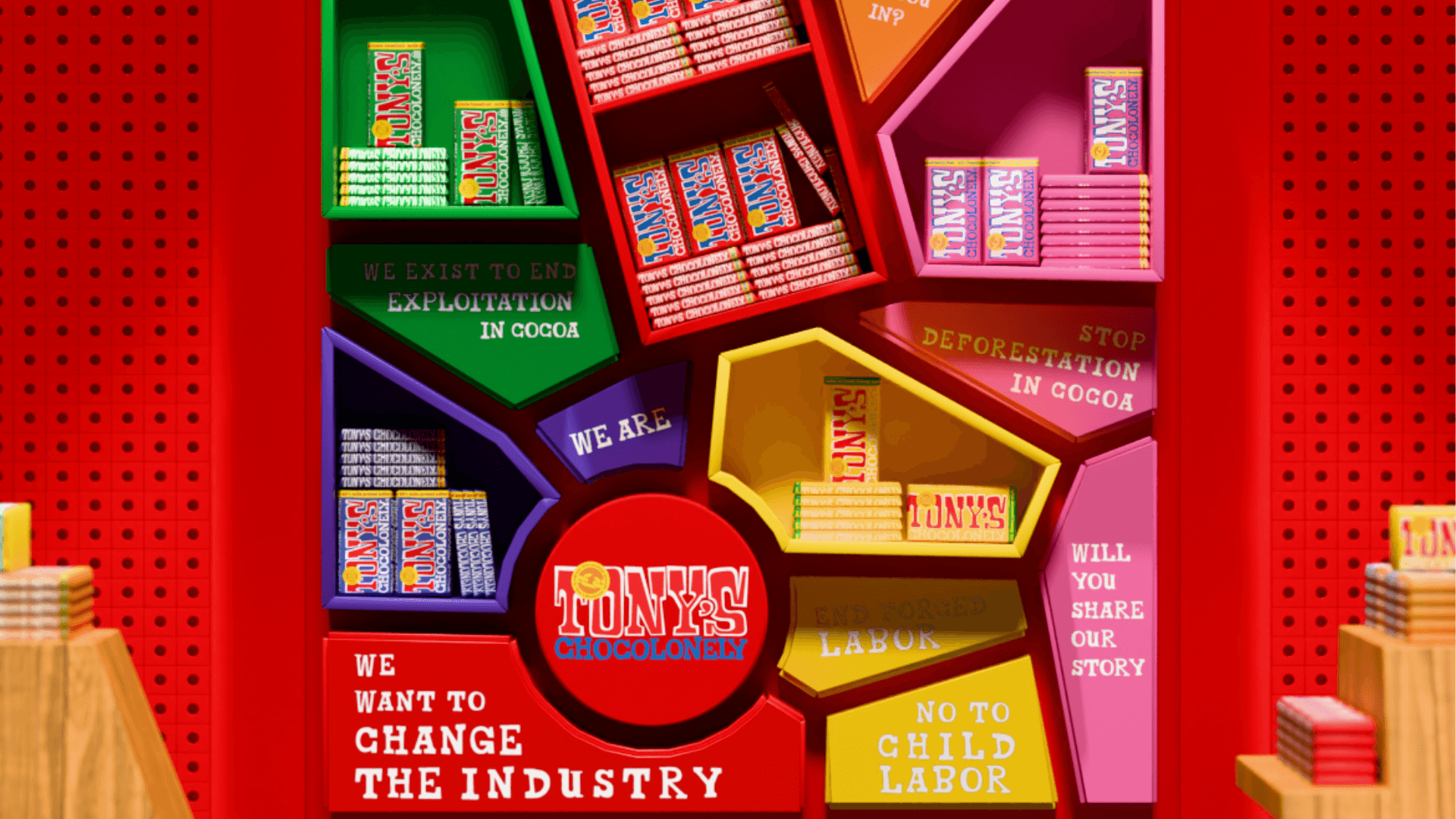
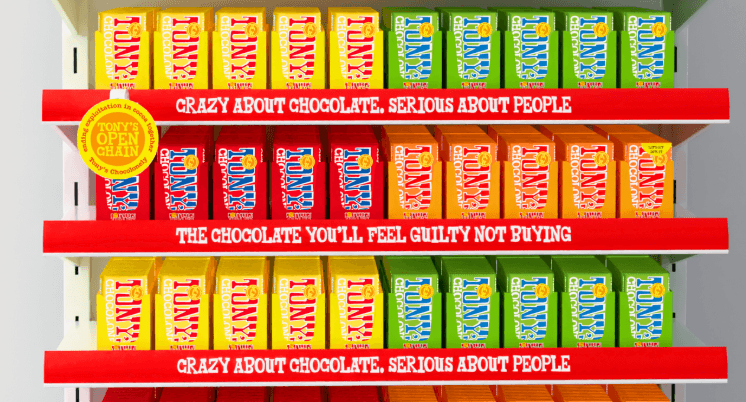
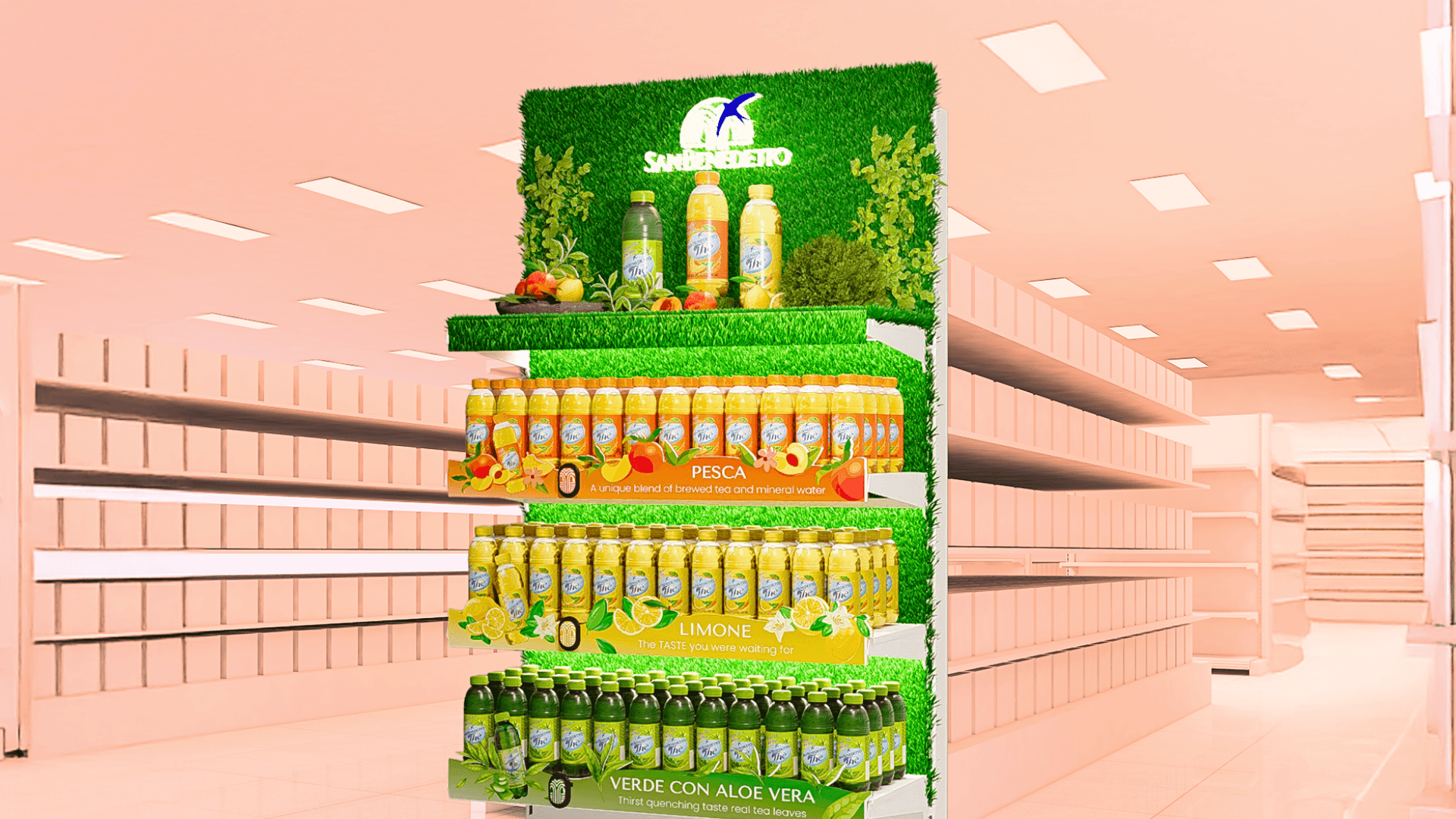
First comes stopping power. Research shows that consumers make up their minds about a product within three to seven seconds. That means displays must catch attention fast, using contrast, colour blocking, or motion. High-contrast visuals and bold brand assets draw the eye, while hierarchy in layout helps guide it.
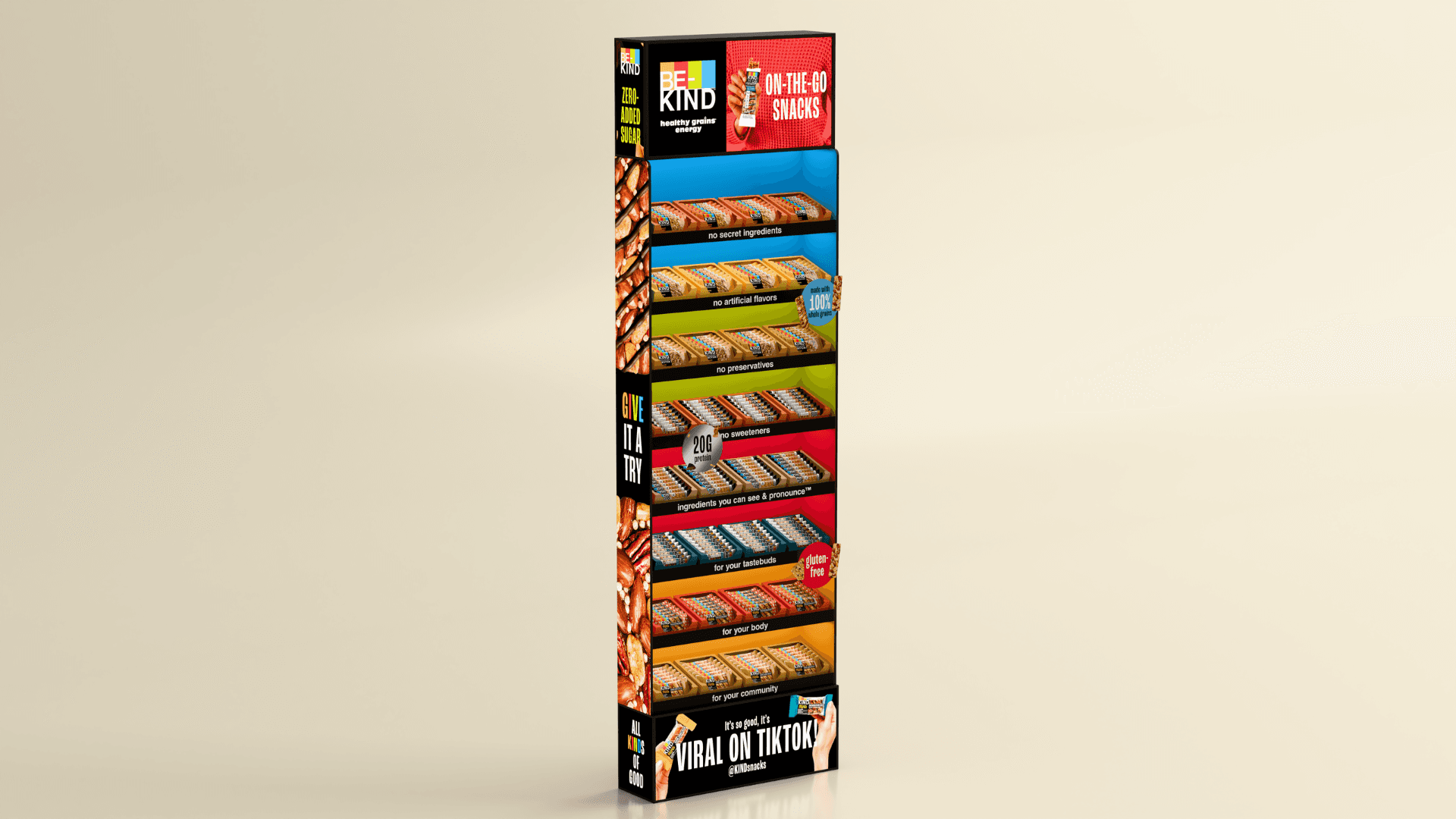
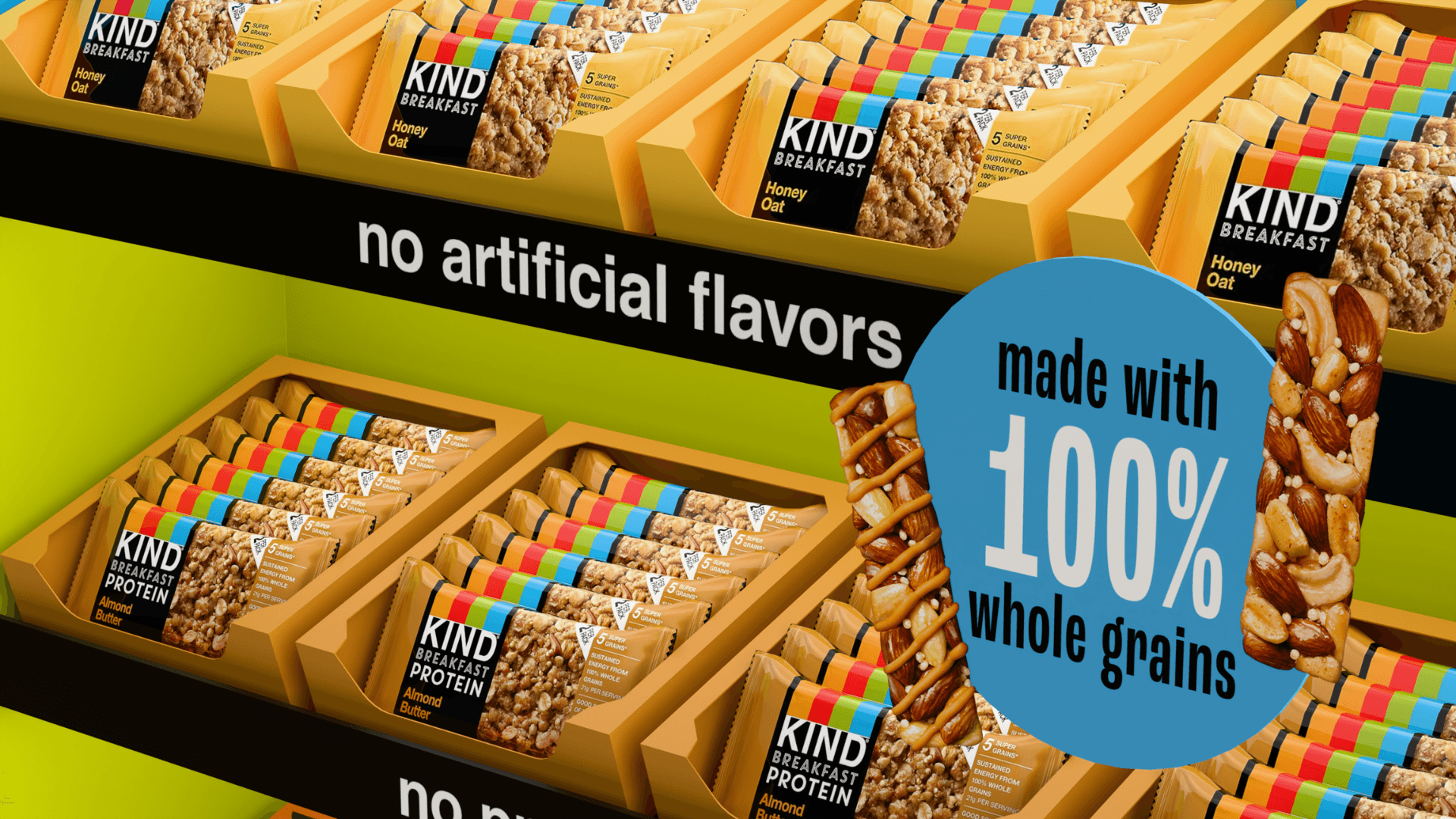
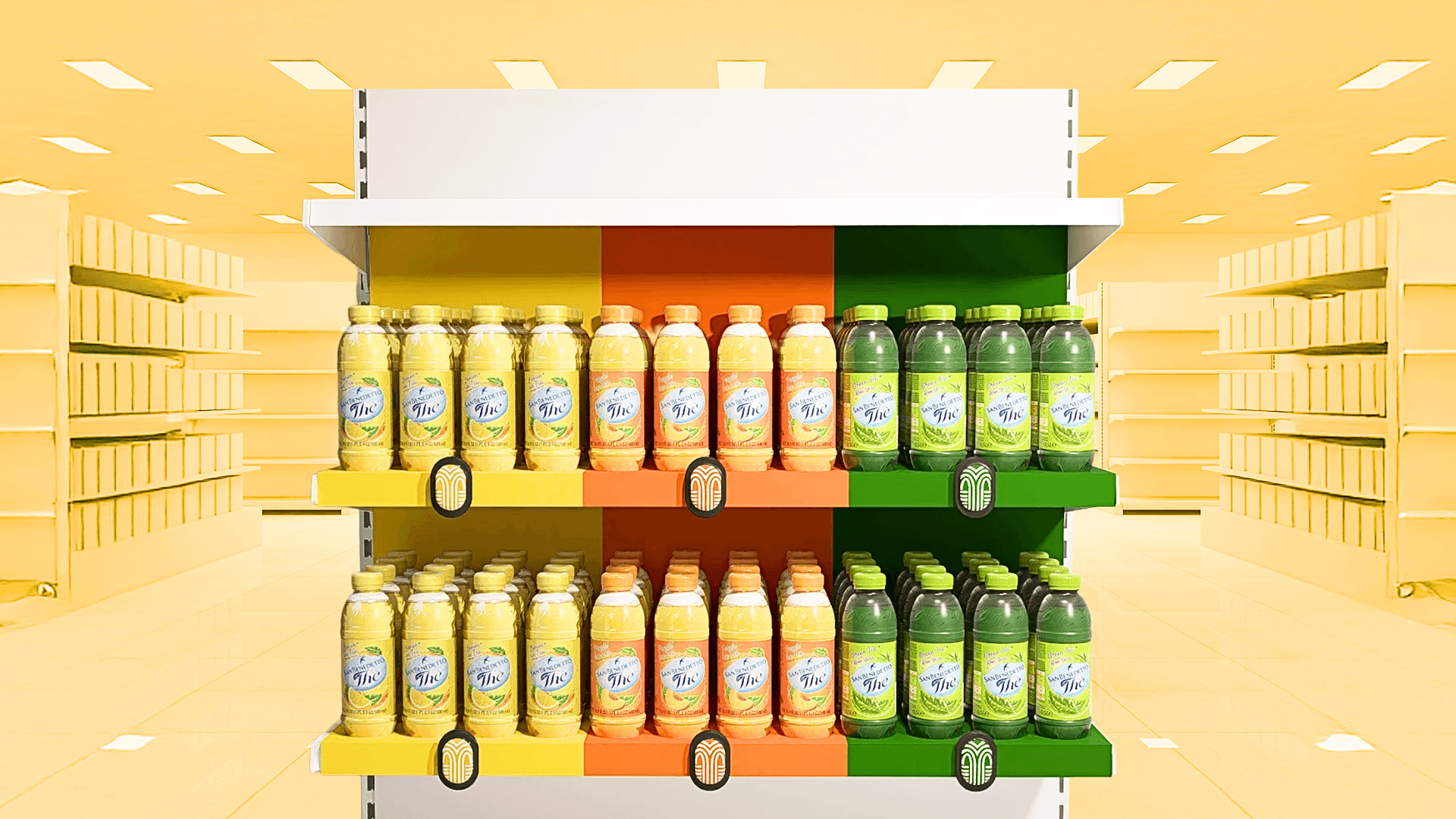
Next is navigation. The most effective displays function like mini-stores: intuitive, clean, and designed with natural flow. Clear segmentation, whether by product variant, use case, or occasion, removes friction. Signposting helps orient the shopper, while front-facing packs and low visual noise keep decision-making easy.
Then comes cueing. Great displays cue value, quality, and emotional benefit without needing to shout. Material choices, finishes, and layout all communicate price point and brand world. A natural wood shelf says craft. A mirror gloss tray suggests luxury. The goal is to show the consumer not just what the product is, but who it’s for.
Multisensory touches amplify recall. Texture, scent, interactivity, or even sound can turn a glance into an experience. Studies show that adding even one additional sensory trigger can increase dwell time and memory encoding by over 60 percent.
The result? A display that doesn’t just decorate the space. It works the space. Converting browsers into buyers, beautifully.
A great retail display isn’t just about good looks. It’s a conversion machine. Done well, it guides the shopper’s eye, anchors the brand’s story, and triggers action, all in a matter of seconds.
First comes stopping power. Research shows that consumers make up their minds about a product within three to seven seconds. That means displays must catch attention fast, using contrast, colour blocking, or motion. High-contrast visuals and bold brand assets draw the eye, while hierarchy in layout helps guide it.
Next is navigation. The most effective displays function like mini-stores: intuitive, clean, and designed with natural flow. Clear segmentation, whether by product variant, use case, or occasion, removes friction. Signposting helps orient the shopper, while front-facing packs and low visual noise keep decision-making easy.
Then comes cueing. Great displays cue value, quality, and emotional benefit without needing to shout. Material choices, finishes, and layout all communicate price point and brand world. A natural wood shelf says craft. A mirror gloss tray suggests luxury. The goal is to show the consumer not just what the product is, but who it’s for.
Multisensory touches amplify recall. Texture, scent, interactivity, or even sound can turn a glance into an experience. Studies show that adding even one additional sensory trigger can increase dwell time and memory encoding by over 60 percent.
The result? A display that doesn’t just decorate the space. It works the space. Converting browsers into buyers, beautifully.
A great retail display isn’t just about good looks. It’s a conversion machine. Done well, it guides the shopper’s eye, anchors the brand’s story, and triggers action, all in a matter of seconds.
First comes stopping power. Research shows that consumers make up their minds about a product within three to seven seconds. That means displays must catch attention fast, using contrast, colour blocking, or motion. High-contrast visuals and bold brand assets draw the eye, while hierarchy in layout helps guide it.
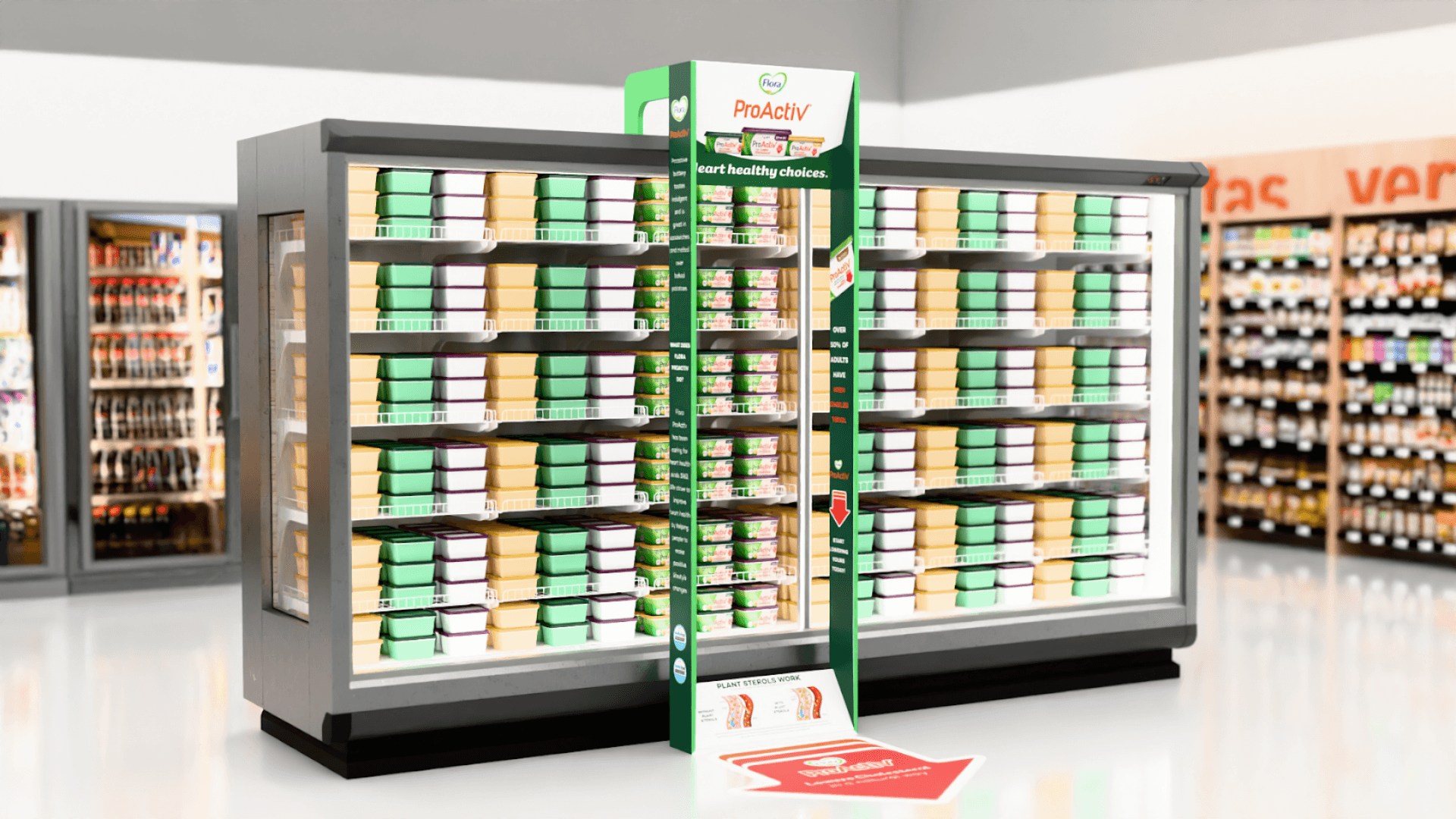
Next is navigation. The most effective displays function like mini-stores: intuitive, clean, and designed with natural flow. Clear segmentation, whether by product variant, use case, or occasion, removes friction. Signposting helps orient the shopper, while front-facing packs and low visual noise keep decision-making easy.
Then comes cueing. Great displays cue value, quality, and emotional benefit without needing to shout. Material choices, finishes, and layout all communicate price point and brand world. A natural wood shelf says craft. A mirror gloss tray suggests luxury. The goal is to show the consumer not just what the product is, but who it’s for.
Multisensory touches amplify recall. Texture, scent, interactivity, or even sound can turn a glance into an experience. Studies show that adding even one additional sensory trigger can increase dwell time and memory encoding by over 60 percent.
The result? A display that doesn’t just decorate the space. It works the space. Converting browsers into buyers, beautifully.
A great retail display isn’t just about good looks. It’s a conversion machine. Done well, it guides the shopper’s eye, anchors the brand’s story, and triggers action, all in a matter of seconds.
First comes stopping power. Research shows that consumers make up their minds about a product within three to seven seconds. That means displays must catch attention fast, using contrast, colour blocking, or motion. High-contrast visuals and bold brand assets draw the eye, while hierarchy in layout helps guide it.
Next is navigation. The most effective displays function like mini-stores: intuitive, clean, and designed with natural flow. Clear segmentation, whether by product variant, use case, or occasion, removes friction. Signposting helps orient the shopper, while front-facing packs and low visual noise keep decision-making easy.
Then comes cueing. Great displays cue value, quality, and emotional benefit without needing to shout. Material choices, finishes, and layout all communicate price point and brand world. A natural wood shelf says craft. A mirror gloss tray suggests luxury. The goal is to show the consumer not just what the product is, but who it’s for.
Multisensory touches amplify recall. Texture, scent, interactivity, or even sound can turn a glance into an experience. Studies show that adding even one additional sensory trigger can increase dwell time and memory encoding by over 60 percent.
The result? A display that doesn’t just decorate the space. It works the space. Converting browsers into buyers, beautifully.