
The Kitchen Is Taking Over the Bar
The Kitchen Is Taking Over the Bar
The Kitchen Is Taking Over the Bar
The Kitchen Is Taking Over the Bar
Why Culinary Thinking Is Reshaping Alcohol
Why Culinary Thinking Is Reshaping Alcohol
Why Culinary Thinking Is Reshaping Alcohol
Why Culinary Thinking Is Reshaping Alcohol
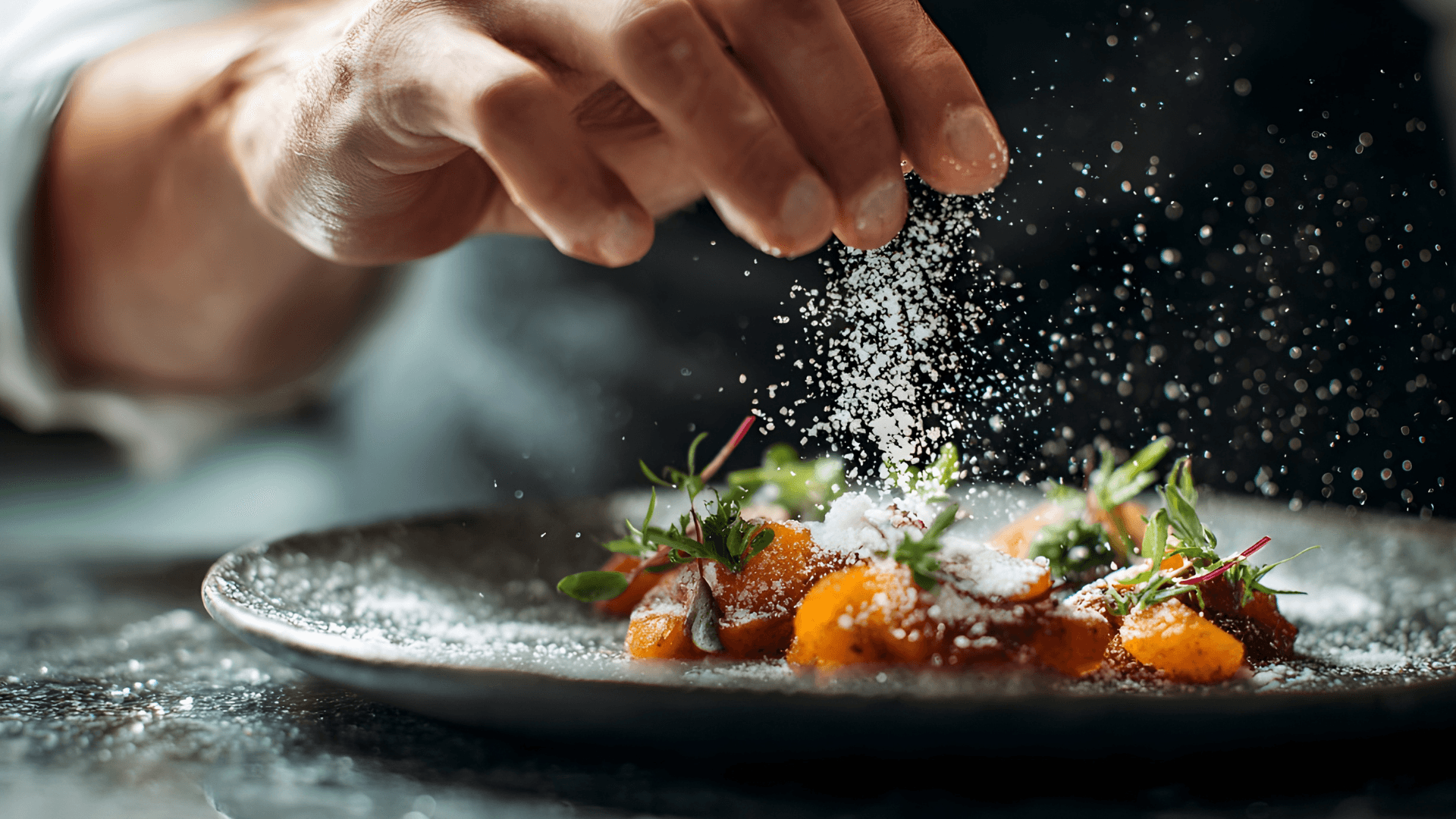
For years, the drinks industry borrowed from itself.: new spirits referenced old spirits, cocktail trends referenced cocktail history, flavour innovation often meant remixing familiar profiles (sweeter, fruitier, more indulgent). Today, the most interesting influence on alcohol isn’t coming from the bar. It’s coming from the kitchen.
Across categories, a quiet but powerful shift is underway: drinking is becoming increasingly culinary, and it’s changing not just flavour, but how alcohol is positioned, experienced, and ultimately sold.
🍅 From Sugar to Savoury
One of the clearest signals is the move away from sweetness.
After a decade dominated by sugar-heavy profiles like flavoured gins, liqueur-style extensions, dessert cocktails, consumers are developing a different palate. They are seeking:
Bitterness
Acidity
Umami
Spice
Fermentation-led complexity
Think tomato water cocktails. Olive oil martinis. Chilli-infused spirits. Herbal, foraged botanicals. These are not fringe experiments anymore. They are appearing in high-end bars, influencing mid-tier menus, and slowly filtering into product development.
The direction of travel is clear: From easy → to complex.
🍽️ Drinking Is Becoming Dining
At the same time, alcohol is becoming more integrated into food-led occasions.
The traditional structure - drinks first, food second - is being replaced by a more fluid, blended experience:
Cocktails designed to pair with dishes
Spirits positioned alongside courses
Low-ABV serves that extend the meal rather than interrupt it
Flavour profiles that mirror culinary trends
This is particularly visible in:
Aperitivo culture
Brunch occasions
Tasting menus
Casual dining formats
The drink is no longer the centrepiece. It’s part of a broader sensory experience.
🌍 The Influence of Global Food Culture
Globalisation of food culture is accelerating this shift.
Consumers are more exposed than ever to:
Asian flavour profiles (umami, fermentation, spice layering)
Latin American ingredients (chilli, citrus, tropical balance)
Middle Eastern botanicals (herbs, florals, bitterness)
These influences are crossing over into drinks, not as novelty, but as expectation: a yuzu spritz, a chilli margarita, or a herb-forward gin no longer feels experimental. It feels contemporary.
🧠 Why This Is Happening Now
Several forces are converging:
1. Moderation
Consumers are drinking less, so each drink must deliver more interest and depth.
2. Maturing Palates
After years of sweet-driven innovation, consumers are ready for more complex profiles.
3. Experience-Led Consumption
People are prioritising experiences over volume and food-led occasions naturally support that.
4. Social Sharing
Visually and conceptually interesting drinks perform better in social contexts, both IRL and online.
⚖️ The Risk: When Creativity Goes Too Far
There is, however, a tension. Culinary inspiration can easily become overcomplication.
Not every consumer wants:
A mushroom-infused cocktail
A cheese-washed spirit
A hyper-experimental serve
As many bartenders point out, drinkability still wins. The challenge is balance:
Enough complexity to intrigue
Enough familiarity to reassure
The brands and venues that get this right create drinks that feel new — but still approachable.
🛍️ Retail Is Lagging Behind
While bars are evolving quickly, retail environments are slower to adapt.
Most shelves are still organised by category:
Gin here
Vodka there
Whisky elsewhere
But consumers increasingly think in:
Flavours
Occasions
Pairings
This creates a disconnect. The way products are sold doesn’t reflect the way they are consumed.
🧠 Merch & Effect POV: From Category to Consumption
This is where the opportunity lies: if drinking is becoming more culinary, then physical marketing must evolve accordingly. Instead of organising around what the product is, brands can win by communicating:
What it pairs with
When it’s consumed
How it enhances an experience
This could mean:
POSM that links spirits to food occasions
Cross-category displays (e.g. tequila + spicy food cues)
Visual storytelling around flavour rather than category
Menu integration that mirrors dining logic
Because ultimately, consumers don’t think in categories. They think in moments.
For years, the drinks industry borrowed from itself.: new spirits referenced old spirits, cocktail trends referenced cocktail history, flavour innovation often meant remixing familiar profiles (sweeter, fruitier, more indulgent). Today, the most interesting influence on alcohol isn’t coming from the bar. It’s coming from the kitchen.
Across categories, a quiet but powerful shift is underway: drinking is becoming increasingly culinary, and it’s changing not just flavour, but how alcohol is positioned, experienced, and ultimately sold.
🍅 From Sugar to Savoury
One of the clearest signals is the move away from sweetness.
After a decade dominated by sugar-heavy profiles like flavoured gins, liqueur-style extensions, dessert cocktails, consumers are developing a different palate. They are seeking:
Bitterness
Acidity
Umami
Spice
Fermentation-led complexity
Think tomato water cocktails. Olive oil martinis. Chilli-infused spirits. Herbal, foraged botanicals. These are not fringe experiments anymore. They are appearing in high-end bars, influencing mid-tier menus, and slowly filtering into product development.
The direction of travel is clear: From easy → to complex.
🍽️ Drinking Is Becoming Dining
At the same time, alcohol is becoming more integrated into food-led occasions.
The traditional structure - drinks first, food second - is being replaced by a more fluid, blended experience:
Cocktails designed to pair with dishes
Spirits positioned alongside courses
Low-ABV serves that extend the meal rather than interrupt it
Flavour profiles that mirror culinary trends
This is particularly visible in:
Aperitivo culture
Brunch occasions
Tasting menus
Casual dining formats
The drink is no longer the centrepiece. It’s part of a broader sensory experience.
🌍 The Influence of Global Food Culture
Globalisation of food culture is accelerating this shift.
Consumers are more exposed than ever to:
Asian flavour profiles (umami, fermentation, spice layering)
Latin American ingredients (chilli, citrus, tropical balance)
Middle Eastern botanicals (herbs, florals, bitterness)
These influences are crossing over into drinks, not as novelty, but as expectation: a yuzu spritz, a chilli margarita, or a herb-forward gin no longer feels experimental. It feels contemporary.
🧠 Why This Is Happening Now
Several forces are converging:
1. Moderation
Consumers are drinking less, so each drink must deliver more interest and depth.
2. Maturing Palates
After years of sweet-driven innovation, consumers are ready for more complex profiles.
3. Experience-Led Consumption
People are prioritising experiences over volume and food-led occasions naturally support that.
4. Social Sharing
Visually and conceptually interesting drinks perform better in social contexts, both IRL and online.
⚖️ The Risk: When Creativity Goes Too Far
There is, however, a tension. Culinary inspiration can easily become overcomplication.
Not every consumer wants:
A mushroom-infused cocktail
A cheese-washed spirit
A hyper-experimental serve
As many bartenders point out, drinkability still wins. The challenge is balance:
Enough complexity to intrigue
Enough familiarity to reassure
The brands and venues that get this right create drinks that feel new — but still approachable.
🛍️ Retail Is Lagging Behind
While bars are evolving quickly, retail environments are slower to adapt.
Most shelves are still organised by category:
Gin here
Vodka there
Whisky elsewhere
But consumers increasingly think in:
Flavours
Occasions
Pairings
This creates a disconnect. The way products are sold doesn’t reflect the way they are consumed.
🧠 Merch & Effect POV: From Category to Consumption
This is where the opportunity lies: if drinking is becoming more culinary, then physical marketing must evolve accordingly. Instead of organising around what the product is, brands can win by communicating:
What it pairs with
When it’s consumed
How it enhances an experience
This could mean:
POSM that links spirits to food occasions
Cross-category displays (e.g. tequila + spicy food cues)
Visual storytelling around flavour rather than category
Menu integration that mirrors dining logic
Because ultimately, consumers don’t think in categories. They think in moments.
For years, the drinks industry borrowed from itself.: new spirits referenced old spirits, cocktail trends referenced cocktail history, flavour innovation often meant remixing familiar profiles (sweeter, fruitier, more indulgent). Today, the most interesting influence on alcohol isn’t coming from the bar. It’s coming from the kitchen.
Across categories, a quiet but powerful shift is underway: drinking is becoming increasingly culinary, and it’s changing not just flavour, but how alcohol is positioned, experienced, and ultimately sold.
🍅 From Sugar to Savoury
One of the clearest signals is the move away from sweetness.
After a decade dominated by sugar-heavy profiles like flavoured gins, liqueur-style extensions, dessert cocktails, consumers are developing a different palate. They are seeking:
Bitterness
Acidity
Umami
Spice
Fermentation-led complexity
Think tomato water cocktails. Olive oil martinis. Chilli-infused spirits. Herbal, foraged botanicals. These are not fringe experiments anymore. They are appearing in high-end bars, influencing mid-tier menus, and slowly filtering into product development.
The direction of travel is clear: From easy → to complex.
🍽️ Drinking Is Becoming Dining
At the same time, alcohol is becoming more integrated into food-led occasions.
The traditional structure - drinks first, food second - is being replaced by a more fluid, blended experience:
Cocktails designed to pair with dishes
Spirits positioned alongside courses
Low-ABV serves that extend the meal rather than interrupt it
Flavour profiles that mirror culinary trends
This is particularly visible in:
Aperitivo culture
Brunch occasions
Tasting menus
Casual dining formats
The drink is no longer the centrepiece. It’s part of a broader sensory experience.
🌍 The Influence of Global Food Culture
Globalisation of food culture is accelerating this shift.
Consumers are more exposed than ever to:
Asian flavour profiles (umami, fermentation, spice layering)
Latin American ingredients (chilli, citrus, tropical balance)
Middle Eastern botanicals (herbs, florals, bitterness)
These influences are crossing over into drinks, not as novelty, but as expectation: a yuzu spritz, a chilli margarita, or a herb-forward gin no longer feels experimental. It feels contemporary.
🧠 Why This Is Happening Now
Several forces are converging:
1. Moderation
Consumers are drinking less, so each drink must deliver more interest and depth.
2. Maturing Palates
After years of sweet-driven innovation, consumers are ready for more complex profiles.
3. Experience-Led Consumption
People are prioritising experiences over volume and food-led occasions naturally support that.
4. Social Sharing
Visually and conceptually interesting drinks perform better in social contexts, both IRL and online.
⚖️ The Risk: When Creativity Goes Too Far
There is, however, a tension. Culinary inspiration can easily become overcomplication.
Not every consumer wants:
A mushroom-infused cocktail
A cheese-washed spirit
A hyper-experimental serve
As many bartenders point out, drinkability still wins. The challenge is balance:
Enough complexity to intrigue
Enough familiarity to reassure
The brands and venues that get this right create drinks that feel new — but still approachable.
🛍️ Retail Is Lagging Behind
While bars are evolving quickly, retail environments are slower to adapt.
Most shelves are still organised by category:
Gin here
Vodka there
Whisky elsewhere
But consumers increasingly think in:
Flavours
Occasions
Pairings
This creates a disconnect. The way products are sold doesn’t reflect the way they are consumed.
🧠 Merch & Effect POV: From Category to Consumption
This is where the opportunity lies: if drinking is becoming more culinary, then physical marketing must evolve accordingly. Instead of organising around what the product is, brands can win by communicating:
What it pairs with
When it’s consumed
How it enhances an experience
This could mean:
POSM that links spirits to food occasions
Cross-category displays (e.g. tequila + spicy food cues)
Visual storytelling around flavour rather than category
Menu integration that mirrors dining logic
Because ultimately, consumers don’t think in categories. They think in moments.
beyond posm



beyond posm
beyond posm