
The Death of the Big Shop
The Death of the Big Shop
The Death of the Big Shop
The Death of the Big Shop
Why Alcohol Is Becoming a “Top-Up” Category
Why Alcohol Is Becoming a “Top-Up” Category
Why Alcohol Is Becoming a “Top-Up” Category
Why Alcohol Is Becoming a “Top-Up” Category
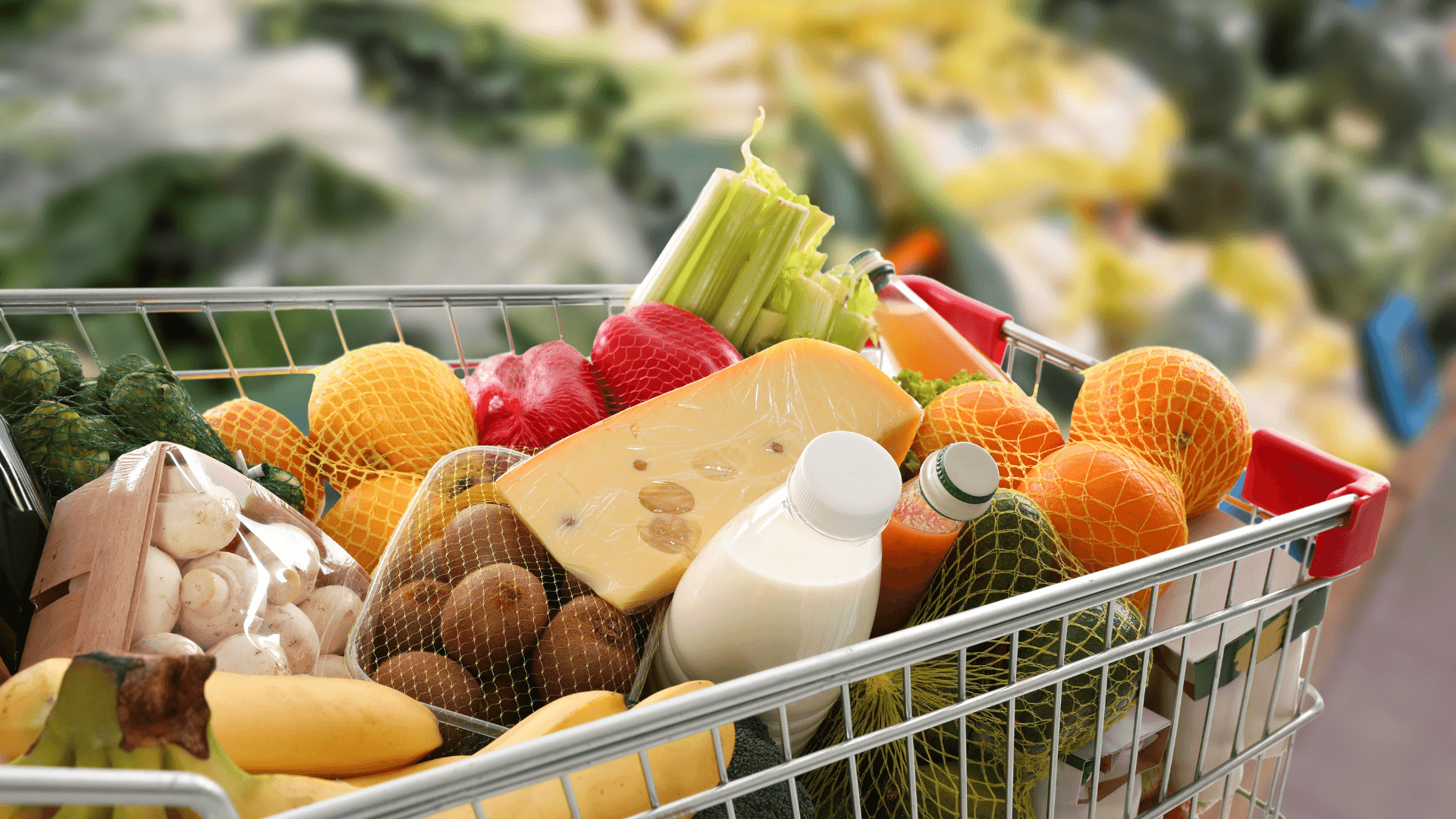
For decades, alcohol purchases followed a predictable rhythm.
The “big shop.” The planned occasion. The stocked cabinet.
Consumers would buy ahead, for the weekend, for a dinner, for a gathering. Alcohol was part of a structured, anticipatory purchase cycle. That rhythm is breaking down.
Across markets, retail behaviour is shifting toward smaller, more frequent, more spontaneous purchases, and alcohol is being pulled directly into that change. The implication is bigger than it looks. Because when the purchase model changes, everything else must follow.
🧃 From Planned to Immediate
The traditional alcohol purchase was built around intention:
“I’m hosting.”
“I’m going out.”
“I need something for tonight.”
Now, the mindset is closer to:
“What do I feel like right now?”
Consumers are increasingly:
Shopping more often, but buying less each time
Making decisions closer to the moment of consumption
Prioritising convenience over planning
Letting mood dictate choice
This behaviour is especially visible in categories like:
RTDs
Beer
Aperitif-style drinks
Smaller-format spirits
These products fit seamlessly into a top-up mindset: quick, easy, low-commitment.
But the shift is not limited to them. Even traditionally “planned” categories are being affected.
⚡ The Collapse of the Decision Window
In a top-up world, the decision window shrinks dramatically. There is no browsing phase. No extended comparison. No deep engagement with brand storytelling.
Instead, consumers are:
Walking into store with partial intent
Scanning quickly
Making a choice within seconds
This creates a fundamentally different retail dynamic.
Visibility becomes more important than depth.
Recognition beats education.
Clarity outperforms complexity.
And yet, many alcohol brands are still activating as if consumers are standing still. They’re not. They’re moving.
🏪 Retail Is Rewiring Itself
Retail environments are already adapting.
We’re seeing:
Smaller store formats
Increased chiller space
More cross-category placement (alcohol near food, snacks, soft drinks)
Greater emphasis on convenience-led layouts
Alcohol is no longer isolated in a dedicated aisle. It’s being integrated into everyday consumption pathways. This is a critical shift, because it changes not just where alcohol is bought, but how it is perceived: from planned indulgence → to everyday option.
🧠 The New Competitive Set
As alcohol moves into top-up behaviour, its competition expands.
It’s no longer just competing with:
Other spirits
Other wines
Other beers
It’s competing with:
Soft drinks
Functional beverages
Snacks
Ready meals
Even coffee-to-go
The decision is no longer:
“Which alcohol product?”
But:
“Do I even want alcohol right now?”
That’s a much tougher battlefield.
📦 The Role of Format
Format becomes a strategic advantage in this environment. Products that succeed are those that:
Require no preparation
Are easy to carry
Fit into immediate consumption occasions
Reduce perceived commitment
This explains the rise of:
Single-serve formats
Cans over bottles
Pre-mixed solutions
Lighter, sessionable options
It’s not just about convenience. It’s about removing friction from the decision.
🚫 Where Brands Fall Behind
Many brands still design POSM and retail presence for a world that no longer exists. They assume:
Time to browse
Willingness to engage
Interest in reading
But in a top-up environment, those assumptions fail.
Overly complex messaging, subtle design cues, and heritage-heavy storytelling risk being invisible in fast-moving retail contexts. If a product doesn’t communicate quickly, it doesn’t compete.
🧠 Merch & Effect POV: Design for Movement, Not for Display
This shift forces a fundamental rethink of physical marketing. POSM can no longer be designed as a static display. It must function as a trigger in motion.
Winning brands will:
Prioritise bold, immediate visual cues
Anchor clearly to occasions (“after work”, “tonight”, “on the go”)
Multiply touchpoints across the store (not just one shelf presence)
Integrate into cross-category journeys
Use structure and placement to interrupt fast movement
Because in a top-up world, success is not about being chosen after consideration.
It’s about being chosen before anything else is even considered.
🚀 The Bottom Line
The “big shop” is fading. In its place is a faster, lighter, more fragmented consumption model.
Alcohol is no longer just a planned purchase. It’s becoming an in-the-moment decision.
And the brands that adapt to that reality — in format, positioning and physical presence — won’t just keep up. They’ll redefine how alcohol is bought altogether.
For decades, alcohol purchases followed a predictable rhythm.
The “big shop.” The planned occasion. The stocked cabinet.
Consumers would buy ahead, for the weekend, for a dinner, for a gathering. Alcohol was part of a structured, anticipatory purchase cycle. That rhythm is breaking down.
Across markets, retail behaviour is shifting toward smaller, more frequent, more spontaneous purchases, and alcohol is being pulled directly into that change. The implication is bigger than it looks. Because when the purchase model changes, everything else must follow.
🧃 From Planned to Immediate
The traditional alcohol purchase was built around intention:
“I’m hosting.”
“I’m going out.”
“I need something for tonight.”
Now, the mindset is closer to:
“What do I feel like right now?”
Consumers are increasingly:
Shopping more often, but buying less each time
Making decisions closer to the moment of consumption
Prioritising convenience over planning
Letting mood dictate choice
This behaviour is especially visible in categories like:
RTDs
Beer
Aperitif-style drinks
Smaller-format spirits
These products fit seamlessly into a top-up mindset: quick, easy, low-commitment.
But the shift is not limited to them. Even traditionally “planned” categories are being affected.
⚡ The Collapse of the Decision Window
In a top-up world, the decision window shrinks dramatically. There is no browsing phase. No extended comparison. No deep engagement with brand storytelling.
Instead, consumers are:
Walking into store with partial intent
Scanning quickly
Making a choice within seconds
This creates a fundamentally different retail dynamic.
Visibility becomes more important than depth.
Recognition beats education.
Clarity outperforms complexity.
And yet, many alcohol brands are still activating as if consumers are standing still. They’re not. They’re moving.
🏪 Retail Is Rewiring Itself
Retail environments are already adapting.
We’re seeing:
Smaller store formats
Increased chiller space
More cross-category placement (alcohol near food, snacks, soft drinks)
Greater emphasis on convenience-led layouts
Alcohol is no longer isolated in a dedicated aisle. It’s being integrated into everyday consumption pathways. This is a critical shift, because it changes not just where alcohol is bought, but how it is perceived: from planned indulgence → to everyday option.
🧠 The New Competitive Set
As alcohol moves into top-up behaviour, its competition expands.
It’s no longer just competing with:
Other spirits
Other wines
Other beers
It’s competing with:
Soft drinks
Functional beverages
Snacks
Ready meals
Even coffee-to-go
The decision is no longer:
“Which alcohol product?”
But:
“Do I even want alcohol right now?”
That’s a much tougher battlefield.
📦 The Role of Format
Format becomes a strategic advantage in this environment. Products that succeed are those that:
Require no preparation
Are easy to carry
Fit into immediate consumption occasions
Reduce perceived commitment
This explains the rise of:
Single-serve formats
Cans over bottles
Pre-mixed solutions
Lighter, sessionable options
It’s not just about convenience. It’s about removing friction from the decision.
🚫 Where Brands Fall Behind
Many brands still design POSM and retail presence for a world that no longer exists. They assume:
Time to browse
Willingness to engage
Interest in reading
But in a top-up environment, those assumptions fail.
Overly complex messaging, subtle design cues, and heritage-heavy storytelling risk being invisible in fast-moving retail contexts. If a product doesn’t communicate quickly, it doesn’t compete.
🧠 Merch & Effect POV: Design for Movement, Not for Display
This shift forces a fundamental rethink of physical marketing. POSM can no longer be designed as a static display. It must function as a trigger in motion.
Winning brands will:
Prioritise bold, immediate visual cues
Anchor clearly to occasions (“after work”, “tonight”, “on the go”)
Multiply touchpoints across the store (not just one shelf presence)
Integrate into cross-category journeys
Use structure and placement to interrupt fast movement
Because in a top-up world, success is not about being chosen after consideration.
It’s about being chosen before anything else is even considered.
🚀 The Bottom Line
The “big shop” is fading. In its place is a faster, lighter, more fragmented consumption model.
Alcohol is no longer just a planned purchase. It’s becoming an in-the-moment decision.
And the brands that adapt to that reality — in format, positioning and physical presence — won’t just keep up. They’ll redefine how alcohol is bought altogether.
For decades, alcohol purchases followed a predictable rhythm.
The “big shop.” The planned occasion. The stocked cabinet.
Consumers would buy ahead, for the weekend, for a dinner, for a gathering. Alcohol was part of a structured, anticipatory purchase cycle. That rhythm is breaking down.
Across markets, retail behaviour is shifting toward smaller, more frequent, more spontaneous purchases, and alcohol is being pulled directly into that change. The implication is bigger than it looks. Because when the purchase model changes, everything else must follow.
🧃 From Planned to Immediate
The traditional alcohol purchase was built around intention:
“I’m hosting.”
“I’m going out.”
“I need something for tonight.”
Now, the mindset is closer to:
“What do I feel like right now?”
Consumers are increasingly:
Shopping more often, but buying less each time
Making decisions closer to the moment of consumption
Prioritising convenience over planning
Letting mood dictate choice
This behaviour is especially visible in categories like:
RTDs
Beer
Aperitif-style drinks
Smaller-format spirits
These products fit seamlessly into a top-up mindset: quick, easy, low-commitment.
But the shift is not limited to them. Even traditionally “planned” categories are being affected.
⚡ The Collapse of the Decision Window
In a top-up world, the decision window shrinks dramatically. There is no browsing phase. No extended comparison. No deep engagement with brand storytelling.
Instead, consumers are:
Walking into store with partial intent
Scanning quickly
Making a choice within seconds
This creates a fundamentally different retail dynamic.
Visibility becomes more important than depth.
Recognition beats education.
Clarity outperforms complexity.
And yet, many alcohol brands are still activating as if consumers are standing still. They’re not. They’re moving.
🏪 Retail Is Rewiring Itself
Retail environments are already adapting.
We’re seeing:
Smaller store formats
Increased chiller space
More cross-category placement (alcohol near food, snacks, soft drinks)
Greater emphasis on convenience-led layouts
Alcohol is no longer isolated in a dedicated aisle. It’s being integrated into everyday consumption pathways. This is a critical shift, because it changes not just where alcohol is bought, but how it is perceived: from planned indulgence → to everyday option.
🧠 The New Competitive Set
As alcohol moves into top-up behaviour, its competition expands.
It’s no longer just competing with:
Other spirits
Other wines
Other beers
It’s competing with:
Soft drinks
Functional beverages
Snacks
Ready meals
Even coffee-to-go
The decision is no longer:
“Which alcohol product?”
But:
“Do I even want alcohol right now?”
That’s a much tougher battlefield.
📦 The Role of Format
Format becomes a strategic advantage in this environment. Products that succeed are those that:
Require no preparation
Are easy to carry
Fit into immediate consumption occasions
Reduce perceived commitment
This explains the rise of:
Single-serve formats
Cans over bottles
Pre-mixed solutions
Lighter, sessionable options
It’s not just about convenience. It’s about removing friction from the decision.
🚫 Where Brands Fall Behind
Many brands still design POSM and retail presence for a world that no longer exists. They assume:
Time to browse
Willingness to engage
Interest in reading
But in a top-up environment, those assumptions fail.
Overly complex messaging, subtle design cues, and heritage-heavy storytelling risk being invisible in fast-moving retail contexts. If a product doesn’t communicate quickly, it doesn’t compete.
🧠 Merch & Effect POV: Design for Movement, Not for Display
This shift forces a fundamental rethink of physical marketing. POSM can no longer be designed as a static display. It must function as a trigger in motion.
Winning brands will:
Prioritise bold, immediate visual cues
Anchor clearly to occasions (“after work”, “tonight”, “on the go”)
Multiply touchpoints across the store (not just one shelf presence)
Integrate into cross-category journeys
Use structure and placement to interrupt fast movement
Because in a top-up world, success is not about being chosen after consideration.
It’s about being chosen before anything else is even considered.
🚀 The Bottom Line
The “big shop” is fading. In its place is a faster, lighter, more fragmented consumption model.
Alcohol is no longer just a planned purchase. It’s becoming an in-the-moment decision.
And the brands that adapt to that reality — in format, positioning and physical presence — won’t just keep up. They’ll redefine how alcohol is bought altogether.
beyond posm


beyond posm
beyond posm