
Spirits Packaging in 2025
Spirits Packaging in 2025
Spirits Packaging in 2025
Spirits Packaging in 2025
From Vanity to Value
From Vanity to Value
From Vanity to Value
From Vanity to Value
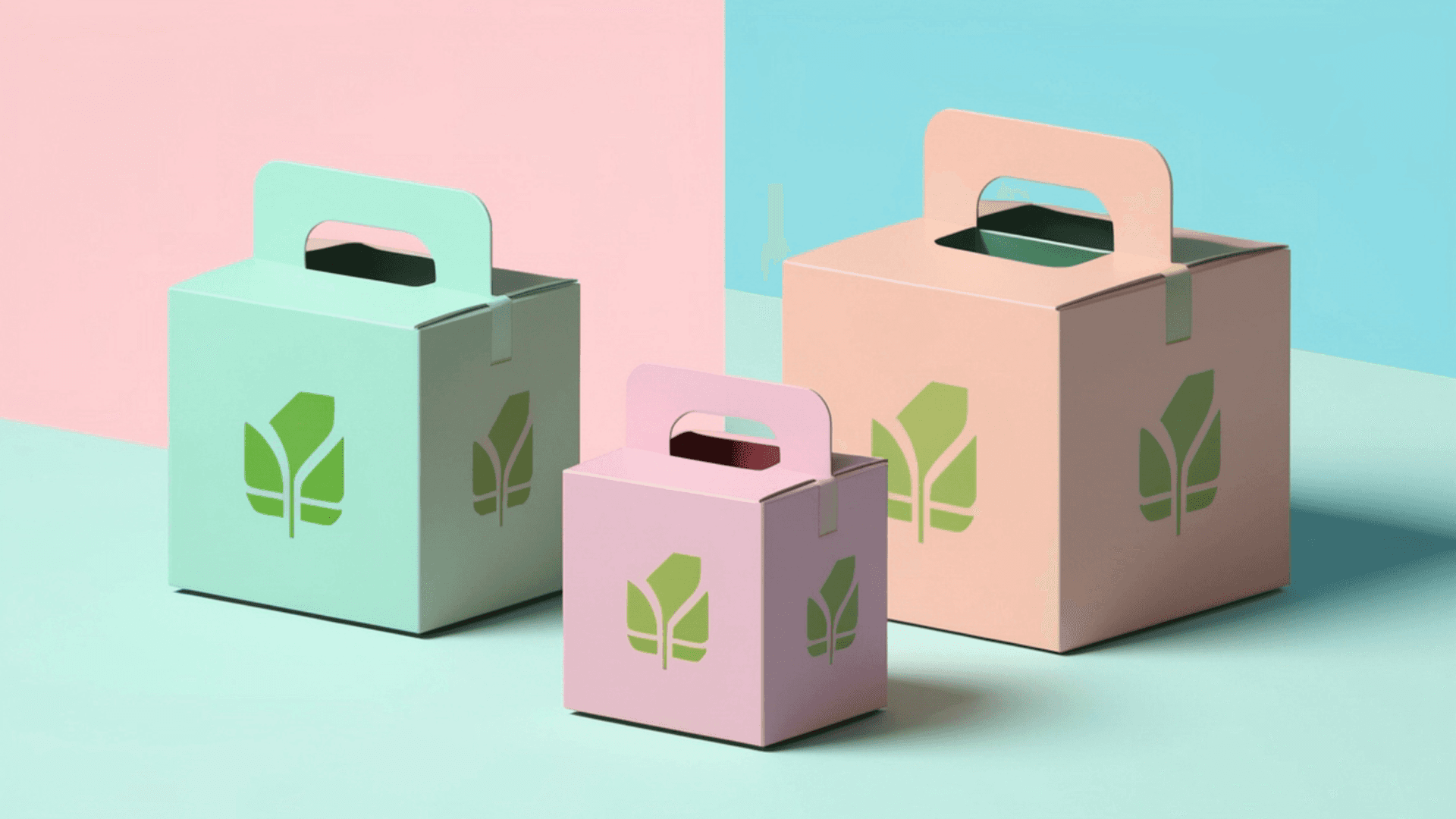
For years, premium spirits packaging followed a predictable formula: heavier glass, bigger caps, more foil, more embossing, more theatre. In 2025, that formula is being quietly dismantled.
The next wave of packaging innovation isn’t about weight or ostentation. It’s about purpose, intelligence, and emotional relevance. Luxury hasn’t disappeared, but it’s being redefined. The bottle is no longer just a container. It’s a platform for trust, storytelling, sustainability, and digital connection.
And the brands getting it right are thinking beyond aesthetics.
🪶 1. Premium Without Excess
One of the clearest shifts is the rejection of “meaningless extravagance.”
Heavy glass, oversized closures, and hyper-detailed labels once signalled luxury. Today, they risk signalling waste. Even the design community is calling it out: ribbed bottles are ubiquitous, faux-craft storytelling feels forced, and over-decoration feels dated. Instead, premium is becoming:
Lighter
More restrained
Materially intelligent
Johnnie Walker Blue Label Ultra reduced glass weight by 29% while retaining prestige. Hennessy Paradis redesigned with 3D veneer technology and waste wood. These aren’t compromises, they’re strategic evolutions.
Luxury in 2025 communicates values, not vanity.
🌱 2. Sustainability Is No Longer a Headline, It’s the Baseline
Sustainability has shifted from marketing message to operating principle.Recycled glass, mono-material solutions, non-toxic glues, lighter formats — these are becoming non-negotiables. Extended Producer Responsibility (EPR) legislation is accelerating the change, but consumer expectations were already there.
The tension now lies in secondary packaging. Gift boxes still dominate in premium retail, yet they remain one of the most environmentally questionable components. The challenge is clear: how do you deliver theatre without waste?
The answer lies in intelligent design: reusable structures, mono-material cartons, reduced layers, and packaging that justifies its footprint.
For brands, the brief has evolved: Deliver premium tactility with minimal environmental cost.
🧠 3. Technology With Purpose — Not Gimmicks
Smart packaging is expanding rapidly: QR codes, NFC tags, authentication tools, augmented storytelling layers.
But here’s the critical nuance: consumers don’t want tech for tech’s sake. Gen Z, in particular, is digitally fluent, and digitally fatigued. A QR code that leads to a static webpage won’t impress anyone. However, when executed properly, digital layers can transform the pack into an experience:
Guided tastings
Interactive cocktail recommendations
Provenance storytelling
Limited release access
Anti-counterfeit verification
In travel retail and emerging markets, authentication is becoming essential. Counterfeit concerns are no longer niche; they’re mainstream safety issues.
The winning formula is clear: utility first. Delight second. No gimmicks.
📦 4. The Rise of Quiet Theatre
The unboxing moment continues to shape expectations, even in-store. Consumers want surprise, rhythm, discovery. But not necessarily loud branding.
Blind tasting concepts like Dram5 strip back visual bias entirely, allowing flavour to lead. The theatre is in the reveal, not the logo. This reflects a broader movement toward experience-driven packaging, where curiosity and interaction replace overt status cues.
This approach taps into a deeper behavioural shift: consumers want to participate, not just purchase.
🎨 5. Design Codes Are Loosening
Another noticeable shift: labels are becoming more experimental. Unexpected shapes, asymmetric compositions, layered textures. Uniformity is fading. Designers are actively pushing against the long-standing “heritage spirits look.”
At the same time, authenticity is being scrutinised. Overly nostalgic ephemera and faux-distillery storytelling are losing credibility. Cultural specificity, when real, wins. When manufactured, it fails.
🧭 What This Means Strategically
Packaging in 2025 is being asked to do five things simultaneously:
Communicate values
Reduce environmental impact
Protect against counterfeiting
Deliver sensory theatre
Extend brand storytelling digitally
And it must do all of this without feeling forced.
This complexity reflects a broader shift in the industry. Consumers are more informed, more sceptical, and more selective. They are not buying prestige signals blindly. They are assessing meaning.
🧠 Merch & Effect POV
At Merch & Effect, we see packaging not as a standalone object, but as the anchor of a wider physical brand ecosystem.
If the bottle is lighter, the POSM must reinforce premium through materiality and structure.
If the pack carries digital layers, the shelf must encourage interaction.
If sustainability is core, the display cannot contradict it.
Packaging and physical marketing can no longer operate in isolation. The brands winning in 2025 understand this: every touchpoint must align around purpose.
Because in today’s market, weight doesn’t equal value. Meaning does.
For years, premium spirits packaging followed a predictable formula: heavier glass, bigger caps, more foil, more embossing, more theatre. In 2025, that formula is being quietly dismantled.
The next wave of packaging innovation isn’t about weight or ostentation. It’s about purpose, intelligence, and emotional relevance. Luxury hasn’t disappeared, but it’s being redefined. The bottle is no longer just a container. It’s a platform for trust, storytelling, sustainability, and digital connection.
And the brands getting it right are thinking beyond aesthetics.
🪶 1. Premium Without Excess
One of the clearest shifts is the rejection of “meaningless extravagance.”
Heavy glass, oversized closures, and hyper-detailed labels once signalled luxury. Today, they risk signalling waste. Even the design community is calling it out: ribbed bottles are ubiquitous, faux-craft storytelling feels forced, and over-decoration feels dated. Instead, premium is becoming:
Lighter
More restrained
Materially intelligent
Johnnie Walker Blue Label Ultra reduced glass weight by 29% while retaining prestige. Hennessy Paradis redesigned with 3D veneer technology and waste wood. These aren’t compromises, they’re strategic evolutions.
Luxury in 2025 communicates values, not vanity.
🌱 2. Sustainability Is No Longer a Headline, It’s the Baseline
Sustainability has shifted from marketing message to operating principle.Recycled glass, mono-material solutions, non-toxic glues, lighter formats — these are becoming non-negotiables. Extended Producer Responsibility (EPR) legislation is accelerating the change, but consumer expectations were already there.
The tension now lies in secondary packaging. Gift boxes still dominate in premium retail, yet they remain one of the most environmentally questionable components. The challenge is clear: how do you deliver theatre without waste?
The answer lies in intelligent design: reusable structures, mono-material cartons, reduced layers, and packaging that justifies its footprint.
For brands, the brief has evolved: Deliver premium tactility with minimal environmental cost.
🧠 3. Technology With Purpose — Not Gimmicks
Smart packaging is expanding rapidly: QR codes, NFC tags, authentication tools, augmented storytelling layers.
But here’s the critical nuance: consumers don’t want tech for tech’s sake. Gen Z, in particular, is digitally fluent, and digitally fatigued. A QR code that leads to a static webpage won’t impress anyone. However, when executed properly, digital layers can transform the pack into an experience:
Guided tastings
Interactive cocktail recommendations
Provenance storytelling
Limited release access
Anti-counterfeit verification
In travel retail and emerging markets, authentication is becoming essential. Counterfeit concerns are no longer niche; they’re mainstream safety issues.
The winning formula is clear: utility first. Delight second. No gimmicks.
📦 4. The Rise of Quiet Theatre
The unboxing moment continues to shape expectations, even in-store. Consumers want surprise, rhythm, discovery. But not necessarily loud branding.
Blind tasting concepts like Dram5 strip back visual bias entirely, allowing flavour to lead. The theatre is in the reveal, not the logo. This reflects a broader movement toward experience-driven packaging, where curiosity and interaction replace overt status cues.
This approach taps into a deeper behavioural shift: consumers want to participate, not just purchase.
🎨 5. Design Codes Are Loosening
Another noticeable shift: labels are becoming more experimental. Unexpected shapes, asymmetric compositions, layered textures. Uniformity is fading. Designers are actively pushing against the long-standing “heritage spirits look.”
At the same time, authenticity is being scrutinised. Overly nostalgic ephemera and faux-distillery storytelling are losing credibility. Cultural specificity, when real, wins. When manufactured, it fails.
🧭 What This Means Strategically
Packaging in 2025 is being asked to do five things simultaneously:
Communicate values
Reduce environmental impact
Protect against counterfeiting
Deliver sensory theatre
Extend brand storytelling digitally
And it must do all of this without feeling forced.
This complexity reflects a broader shift in the industry. Consumers are more informed, more sceptical, and more selective. They are not buying prestige signals blindly. They are assessing meaning.
🧠 Merch & Effect POV
At Merch & Effect, we see packaging not as a standalone object, but as the anchor of a wider physical brand ecosystem.
If the bottle is lighter, the POSM must reinforce premium through materiality and structure.
If the pack carries digital layers, the shelf must encourage interaction.
If sustainability is core, the display cannot contradict it.
Packaging and physical marketing can no longer operate in isolation. The brands winning in 2025 understand this: every touchpoint must align around purpose.
Because in today’s market, weight doesn’t equal value. Meaning does.
For years, premium spirits packaging followed a predictable formula: heavier glass, bigger caps, more foil, more embossing, more theatre. In 2025, that formula is being quietly dismantled.
The next wave of packaging innovation isn’t about weight or ostentation. It’s about purpose, intelligence, and emotional relevance. Luxury hasn’t disappeared, but it’s being redefined. The bottle is no longer just a container. It’s a platform for trust, storytelling, sustainability, and digital connection.
And the brands getting it right are thinking beyond aesthetics.
🪶 1. Premium Without Excess
One of the clearest shifts is the rejection of “meaningless extravagance.”
Heavy glass, oversized closures, and hyper-detailed labels once signalled luxury. Today, they risk signalling waste. Even the design community is calling it out: ribbed bottles are ubiquitous, faux-craft storytelling feels forced, and over-decoration feels dated. Instead, premium is becoming:
Lighter
More restrained
Materially intelligent
Johnnie Walker Blue Label Ultra reduced glass weight by 29% while retaining prestige. Hennessy Paradis redesigned with 3D veneer technology and waste wood. These aren’t compromises, they’re strategic evolutions.
Luxury in 2025 communicates values, not vanity.
🌱 2. Sustainability Is No Longer a Headline, It’s the Baseline
Sustainability has shifted from marketing message to operating principle.Recycled glass, mono-material solutions, non-toxic glues, lighter formats — these are becoming non-negotiables. Extended Producer Responsibility (EPR) legislation is accelerating the change, but consumer expectations were already there.
The tension now lies in secondary packaging. Gift boxes still dominate in premium retail, yet they remain one of the most environmentally questionable components. The challenge is clear: how do you deliver theatre without waste?
The answer lies in intelligent design: reusable structures, mono-material cartons, reduced layers, and packaging that justifies its footprint.
For brands, the brief has evolved: Deliver premium tactility with minimal environmental cost.
🧠 3. Technology With Purpose — Not Gimmicks
Smart packaging is expanding rapidly: QR codes, NFC tags, authentication tools, augmented storytelling layers.
But here’s the critical nuance: consumers don’t want tech for tech’s sake. Gen Z, in particular, is digitally fluent, and digitally fatigued. A QR code that leads to a static webpage won’t impress anyone. However, when executed properly, digital layers can transform the pack into an experience:
Guided tastings
Interactive cocktail recommendations
Provenance storytelling
Limited release access
Anti-counterfeit verification
In travel retail and emerging markets, authentication is becoming essential. Counterfeit concerns are no longer niche; they’re mainstream safety issues.
The winning formula is clear: utility first. Delight second. No gimmicks.
📦 4. The Rise of Quiet Theatre
The unboxing moment continues to shape expectations, even in-store. Consumers want surprise, rhythm, discovery. But not necessarily loud branding.
Blind tasting concepts like Dram5 strip back visual bias entirely, allowing flavour to lead. The theatre is in the reveal, not the logo. This reflects a broader movement toward experience-driven packaging, where curiosity and interaction replace overt status cues.
This approach taps into a deeper behavioural shift: consumers want to participate, not just purchase.
🎨 5. Design Codes Are Loosening
Another noticeable shift: labels are becoming more experimental. Unexpected shapes, asymmetric compositions, layered textures. Uniformity is fading. Designers are actively pushing against the long-standing “heritage spirits look.”
At the same time, authenticity is being scrutinised. Overly nostalgic ephemera and faux-distillery storytelling are losing credibility. Cultural specificity, when real, wins. When manufactured, it fails.
🧭 What This Means Strategically
Packaging in 2025 is being asked to do five things simultaneously:
Communicate values
Reduce environmental impact
Protect against counterfeiting
Deliver sensory theatre
Extend brand storytelling digitally
And it must do all of this without feeling forced.
This complexity reflects a broader shift in the industry. Consumers are more informed, more sceptical, and more selective. They are not buying prestige signals blindly. They are assessing meaning.
🧠 Merch & Effect POV
At Merch & Effect, we see packaging not as a standalone object, but as the anchor of a wider physical brand ecosystem.
If the bottle is lighter, the POSM must reinforce premium through materiality and structure.
If the pack carries digital layers, the shelf must encourage interaction.
If sustainability is core, the display cannot contradict it.
Packaging and physical marketing can no longer operate in isolation. The brands winning in 2025 understand this: every touchpoint must align around purpose.
Because in today’s market, weight doesn’t equal value. Meaning does.
Source: https://drinks-intel.com/spirits/whats-proving-hot-in-packaging-for-spirits-in-2025-category-intel/
Source: https://drinks-intel.com/spirits/whats-proving-hot-in-packaging-for-spirits-in-2025-category-intel/
Source: https://drinks-intel.com/spirits/whats-proving-hot-in-packaging-for-spirits-in-2025-category-intel/
beyond posm


beyond posm
beyond posm