
RTD's Aren’t Spirits in a Can
RTD's Aren’t Spirits in a Can
RTD's Aren’t Spirits in a Can
RTD's Aren’t Spirits in a Can
So Why Do We Market Them Like They Are?
So Why Do We Market Them Like They Are?
So Why Do We Market Them Like They Are?
So Why Do We Market Them Like They Are?
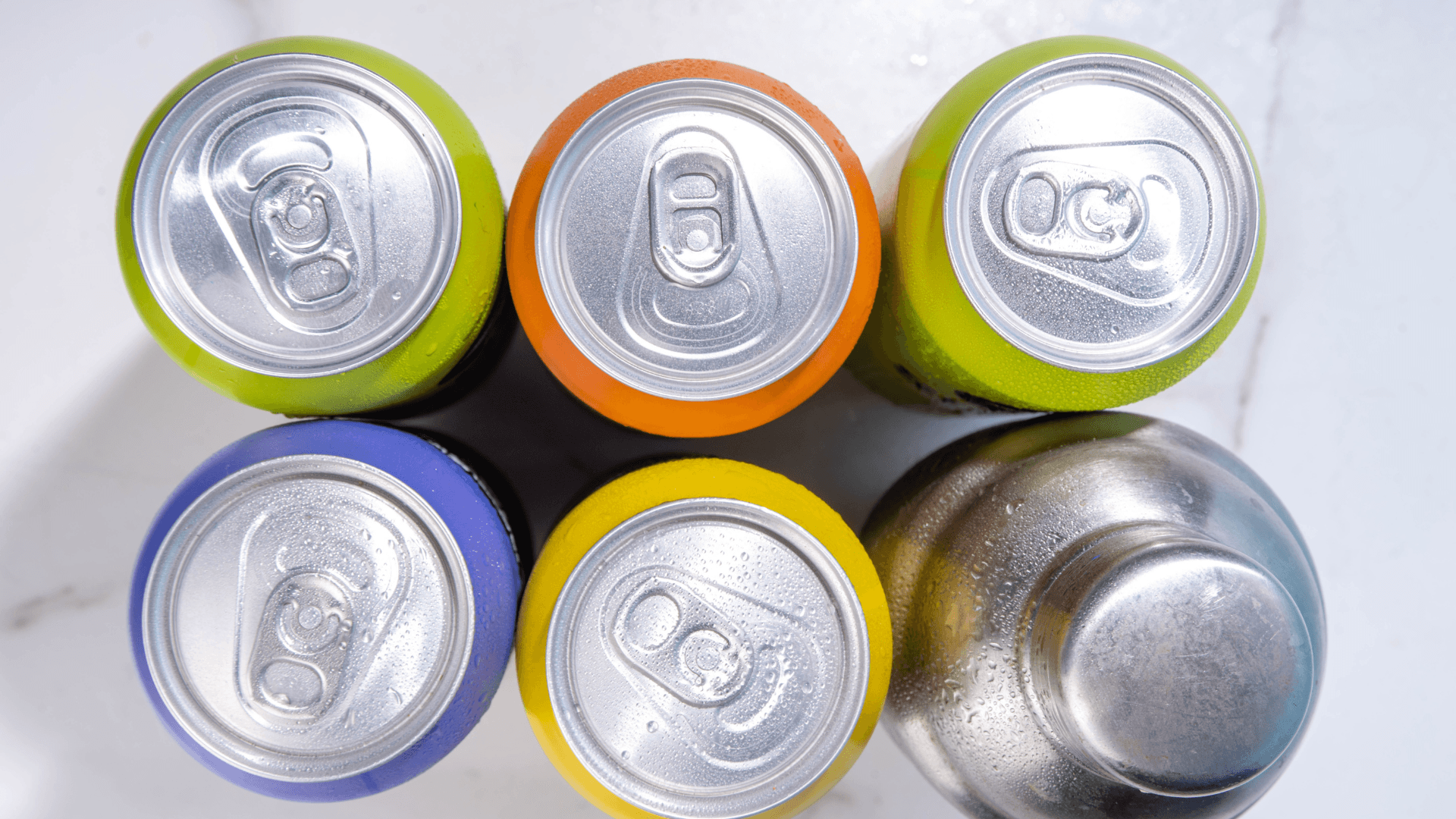
Ready-to-drink (RTD) has spent years borrowing credibility from spirits.
Same brands. Same cues. Same back-bar logic - just packaged differently.
But here’s the reality: RTDs don’t behave like spirits. And when we treat them as such, especially in-store and in-bar, we limit their growth.
Because RTDs are not a format extension. They are a different market altogether.
🧠 Different Category, Different Consumer Logic
Spirits are chosen. RTDs are picked. That distinction matters more than it seems.
Spirit purchases are typically:
Planned or semi-planned
Influenced by brand, heritage, and familiarity
Activated through menus, bartender recommendation, or occasion
RTDs, on the other hand, are:
Impulse-driven
Occasion-led (outdoor, casual, social, mobile)
Flavour-first rather than brand-first
Often decided in seconds
This creates a completely different decision-making environment. RTDs live in the “grab zone”, not the “consideration zone.” Yet much of their POSM still behaves like it belongs behind a whisky bottle.
⚡ The 3-Second Rule
In RTDs, you don’t have time to explain. You have time to attract.
Shoppers rarely stop, analyse, compare, and decide. They scan, recognise, and act.
Which means RTD POSM must answer three questions instantly:
What is it?
How does it taste?
When do I drink it?
If those answers aren’t visually obvious within seconds, the moment is lost.
This is where traditional spirits POSM fails: it assumes attention, curiosity, and time.
But RTDs operate on speed, clarity and instinct.
🍹 Occasion > Brand
Spirits are brand-led. RTDs are occasion-led.
Consumers don’t ask: “Which RTD brand do I want?”
They ask: “What fits this moment?”
Picnic
Festival
Pre-drinks
Beach
After-work
Solo wind-down
This means POSM must shift from brand storytelling to occasion storytelling.
Not: “Crafted with triple-distilled vodka” or “A premium tequila-based RTD”
But: “Perfect for your 6pm terrace drink” or “Your ready-made Paloma moment”
RTDs win when they insert themselves into life, not when they explain themselves.
📦 Visibility Is Distribution
In spirits, distribution is about listings. In RTDs, distribution is about visibility.
You can be listed and still invisible.
RTDs need:
Secondary placements
Fridge dominance
Checkout proximity
Cross-category adjacency (snacks, soft drinks, beer)
They behave more like FMCG than traditional spirits. Which means POSM must act like retail architecture, not brand decoration. The battle isn’t just to be stocked. It’s to be seen first.
🧃 Format Changes Everything
The can changes perception.
Unlike a bottle, it removes ritual:
No pouring
No mixing
No bartender intervention
That means the product must communicate everything upfront: Flavour. Strength. Occasion. Experience.
There is no second layer.
POSM must therefore:
Reinforce flavour cues visually
Clarify alcohol content without intimidation
Signal refreshment and ease
Build trust quickly
In spirits, the serve completes the story. In RTDs, the pack is the story.
🚫 Where Brands Go Wrong
The most common mistake is trying to “premiumise” RTDs using spirits logic:
Overly complex messaging
Heritage-heavy storytelling
Subtle design that requires attention
These cues work when consumers are engaged. RTD consumers are not. They are moving, scanning, choosing - if it doesn’t pop, it doesn’t sell.
🧠 Merch & Effect POV: Build for Behaviour, Not Category
RTDs are forcing a mindset shift. They sit at the intersection of:
Alcohol
Soft drinks
Snacking
Convenience
And they behave like all of them, but not exactly like any. This is why POSM must evolve.
Winning RTD execution requires:
Clarity over complexity
Occasion over heritage
Visibility over presence
Speed over storytelling
In short: design for behaviour, not for category norms.
Because RTDs aren’t trying to replicate spirits. They’re redefining how people interact with alcohol altogether. And the brands that understand that won’t just compete. They’ll dominate the shelf.
Ready-to-drink (RTD) has spent years borrowing credibility from spirits.
Same brands. Same cues. Same back-bar logic - just packaged differently.
But here’s the reality: RTDs don’t behave like spirits. And when we treat them as such, especially in-store and in-bar, we limit their growth.
Because RTDs are not a format extension. They are a different market altogether.
🧠 Different Category, Different Consumer Logic
Spirits are chosen. RTDs are picked. That distinction matters more than it seems.
Spirit purchases are typically:
Planned or semi-planned
Influenced by brand, heritage, and familiarity
Activated through menus, bartender recommendation, or occasion
RTDs, on the other hand, are:
Impulse-driven
Occasion-led (outdoor, casual, social, mobile)
Flavour-first rather than brand-first
Often decided in seconds
This creates a completely different decision-making environment. RTDs live in the “grab zone”, not the “consideration zone.” Yet much of their POSM still behaves like it belongs behind a whisky bottle.
⚡ The 3-Second Rule
In RTDs, you don’t have time to explain. You have time to attract.
Shoppers rarely stop, analyse, compare, and decide. They scan, recognise, and act.
Which means RTD POSM must answer three questions instantly:
What is it?
How does it taste?
When do I drink it?
If those answers aren’t visually obvious within seconds, the moment is lost.
This is where traditional spirits POSM fails: it assumes attention, curiosity, and time.
But RTDs operate on speed, clarity and instinct.
🍹 Occasion > Brand
Spirits are brand-led. RTDs are occasion-led.
Consumers don’t ask: “Which RTD brand do I want?”
They ask: “What fits this moment?”
Picnic
Festival
Pre-drinks
Beach
After-work
Solo wind-down
This means POSM must shift from brand storytelling to occasion storytelling.
Not: “Crafted with triple-distilled vodka” or “A premium tequila-based RTD”
But: “Perfect for your 6pm terrace drink” or “Your ready-made Paloma moment”
RTDs win when they insert themselves into life, not when they explain themselves.
📦 Visibility Is Distribution
In spirits, distribution is about listings. In RTDs, distribution is about visibility.
You can be listed and still invisible.
RTDs need:
Secondary placements
Fridge dominance
Checkout proximity
Cross-category adjacency (snacks, soft drinks, beer)
They behave more like FMCG than traditional spirits. Which means POSM must act like retail architecture, not brand decoration. The battle isn’t just to be stocked. It’s to be seen first.
🧃 Format Changes Everything
The can changes perception.
Unlike a bottle, it removes ritual:
No pouring
No mixing
No bartender intervention
That means the product must communicate everything upfront: Flavour. Strength. Occasion. Experience.
There is no second layer.
POSM must therefore:
Reinforce flavour cues visually
Clarify alcohol content without intimidation
Signal refreshment and ease
Build trust quickly
In spirits, the serve completes the story. In RTDs, the pack is the story.
🚫 Where Brands Go Wrong
The most common mistake is trying to “premiumise” RTDs using spirits logic:
Overly complex messaging
Heritage-heavy storytelling
Subtle design that requires attention
These cues work when consumers are engaged. RTD consumers are not. They are moving, scanning, choosing - if it doesn’t pop, it doesn’t sell.
🧠 Merch & Effect POV: Build for Behaviour, Not Category
RTDs are forcing a mindset shift. They sit at the intersection of:
Alcohol
Soft drinks
Snacking
Convenience
And they behave like all of them, but not exactly like any. This is why POSM must evolve.
Winning RTD execution requires:
Clarity over complexity
Occasion over heritage
Visibility over presence
Speed over storytelling
In short: design for behaviour, not for category norms.
Because RTDs aren’t trying to replicate spirits. They’re redefining how people interact with alcohol altogether. And the brands that understand that won’t just compete. They’ll dominate the shelf.
Ready-to-drink (RTD) has spent years borrowing credibility from spirits.
Same brands. Same cues. Same back-bar logic - just packaged differently.
But here’s the reality: RTDs don’t behave like spirits. And when we treat them as such, especially in-store and in-bar, we limit their growth.
Because RTDs are not a format extension. They are a different market altogether.
🧠 Different Category, Different Consumer Logic
Spirits are chosen. RTDs are picked. That distinction matters more than it seems.
Spirit purchases are typically:
Planned or semi-planned
Influenced by brand, heritage, and familiarity
Activated through menus, bartender recommendation, or occasion
RTDs, on the other hand, are:
Impulse-driven
Occasion-led (outdoor, casual, social, mobile)
Flavour-first rather than brand-first
Often decided in seconds
This creates a completely different decision-making environment. RTDs live in the “grab zone”, not the “consideration zone.” Yet much of their POSM still behaves like it belongs behind a whisky bottle.
⚡ The 3-Second Rule
In RTDs, you don’t have time to explain. You have time to attract.
Shoppers rarely stop, analyse, compare, and decide. They scan, recognise, and act.
Which means RTD POSM must answer three questions instantly:
What is it?
How does it taste?
When do I drink it?
If those answers aren’t visually obvious within seconds, the moment is lost.
This is where traditional spirits POSM fails: it assumes attention, curiosity, and time.
But RTDs operate on speed, clarity and instinct.
🍹 Occasion > Brand
Spirits are brand-led. RTDs are occasion-led.
Consumers don’t ask: “Which RTD brand do I want?”
They ask: “What fits this moment?”
Picnic
Festival
Pre-drinks
Beach
After-work
Solo wind-down
This means POSM must shift from brand storytelling to occasion storytelling.
Not: “Crafted with triple-distilled vodka” or “A premium tequila-based RTD”
But: “Perfect for your 6pm terrace drink” or “Your ready-made Paloma moment”
RTDs win when they insert themselves into life, not when they explain themselves.
📦 Visibility Is Distribution
In spirits, distribution is about listings. In RTDs, distribution is about visibility.
You can be listed and still invisible.
RTDs need:
Secondary placements
Fridge dominance
Checkout proximity
Cross-category adjacency (snacks, soft drinks, beer)
They behave more like FMCG than traditional spirits. Which means POSM must act like retail architecture, not brand decoration. The battle isn’t just to be stocked. It’s to be seen first.
🧃 Format Changes Everything
The can changes perception.
Unlike a bottle, it removes ritual:
No pouring
No mixing
No bartender intervention
That means the product must communicate everything upfront: Flavour. Strength. Occasion. Experience.
There is no second layer.
POSM must therefore:
Reinforce flavour cues visually
Clarify alcohol content without intimidation
Signal refreshment and ease
Build trust quickly
In spirits, the serve completes the story. In RTDs, the pack is the story.
🚫 Where Brands Go Wrong
The most common mistake is trying to “premiumise” RTDs using spirits logic:
Overly complex messaging
Heritage-heavy storytelling
Subtle design that requires attention
These cues work when consumers are engaged. RTD consumers are not. They are moving, scanning, choosing - if it doesn’t pop, it doesn’t sell.
🧠 Merch & Effect POV: Build for Behaviour, Not Category
RTDs are forcing a mindset shift. They sit at the intersection of:
Alcohol
Soft drinks
Snacking
Convenience
And they behave like all of them, but not exactly like any. This is why POSM must evolve.
Winning RTD execution requires:
Clarity over complexity
Occasion over heritage
Visibility over presence
Speed over storytelling
In short: design for behaviour, not for category norms.
Because RTDs aren’t trying to replicate spirits. They’re redefining how people interact with alcohol altogether. And the brands that understand that won’t just compete. They’ll dominate the shelf.
beyond posm



beyond posm
beyond posm