
Mixers Are No Longer Supporting Actors
Mixers Are No Longer Supporting Actors
Mixers Are No Longer Supporting Actors
Mixers Are No Longer Supporting Actors
They're becoming the star
They're becoming the star
They're becoming the star
They're becoming the star
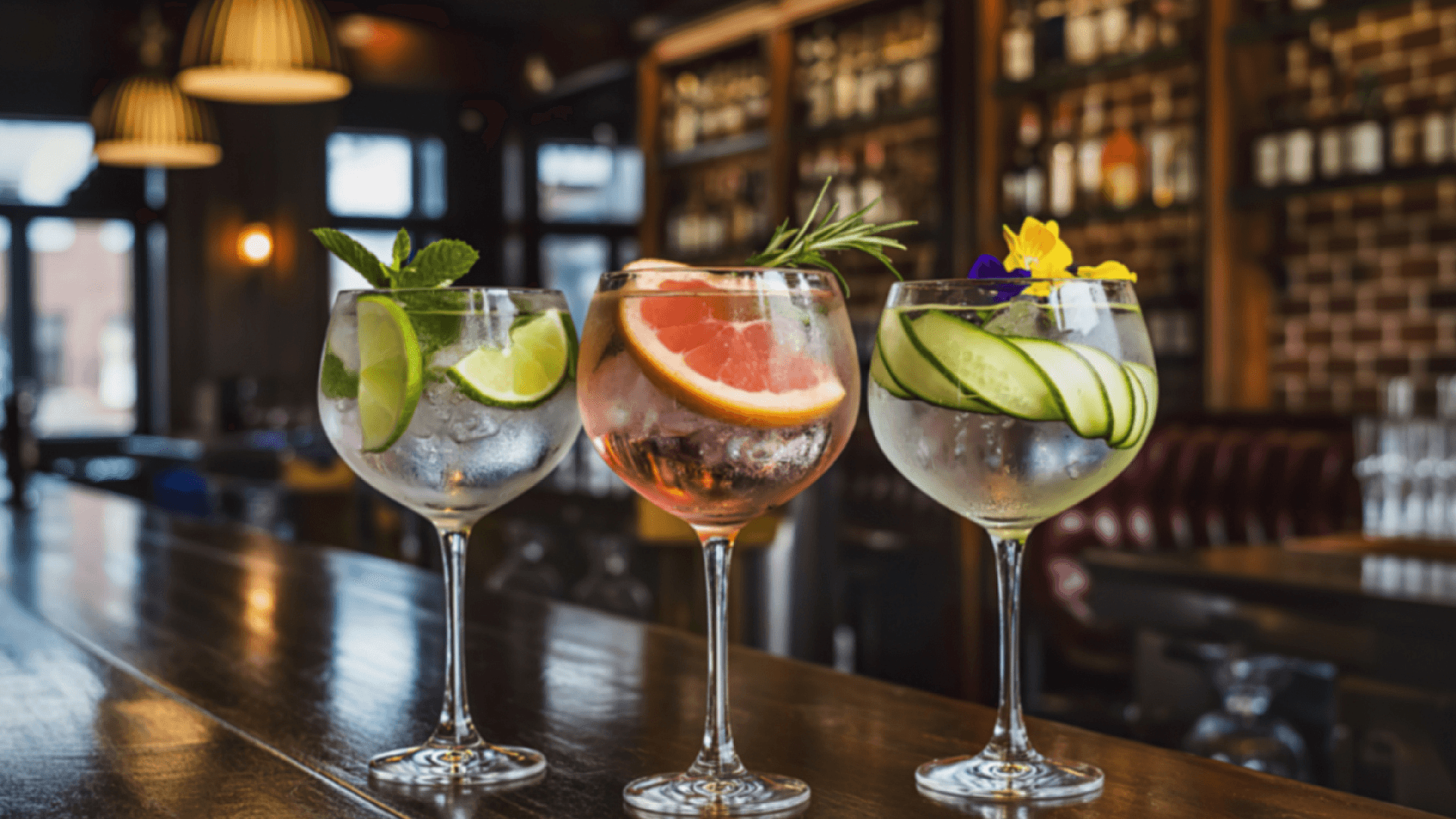
Once designed to serve spirits, premium mixers are increasingly becoming stars in their own right, reshaping menus, occasions and even the economics of hospitality.
For decades, mixers played a simple role in the drinks industry. They softened spirits, lengthened serves and quietly sat in the background while the alcohol brand took centre stage. Not anymore.
Across hospitality, premium mixers are undergoing a remarkable transformation. What was once a functional category is becoming one of the most dynamic spaces in beverage innovation, driven by changing consumer expectations, moderation trends and the operational realities facing bars and restaurants today. And perhaps most importantly, mixers are no longer being judged solely by what they pair with.
Increasingly, they're being valued for what they bring on their own.
Hospitality's New Reality
The timing isn't accidental, as operators worldwide are navigating a difficult environment:
Rising labour costs
Staffing shortages
Pressure on margins
More cautious consumer spending
In this context, efficiency matters more than ever: complex cocktails remain important, but venues also need drinks that can be delivered quickly, consistently and profitably. This is where premium mixers have found an unexpected advantage.
A well-designed mixer can create a premium serve with just two or three ingredients, reducing preparation time while maintaining flavour complexity and guest satisfaction.
For operators under pressure, that's a powerful proposition.
Beyond Tonic Water
Perhaps the biggest shift is flavour. For years, premium mixers were largely synonymous with tonic water and the gin boom, but today's category looks very different.
The rise of tequila, mezcal, aperitifs and lower-ABV drinks has expanded the role mixers play across menus. Instead of one mixer serving one spirit, brands are creating flavour profiles designed to work across multiple categories:
Citrus-forward expressions
Herbal and botanical notes
Grapefruit and bitter flavours
Yuzu and exotic fruits
Tea-inspired profiles
Light savoury accents
The goal isn't novelty for novelty's sake, but versatility. The most successful mixers today aren't niche products. They're flexible tools that bartenders can deploy across multiple serves and occasions.
The Rise of the Standalone Mixer
Perhaps the most fascinating evolution is that some mixers are beginning to escape the category altogether. As flavour quality improves, consumers are increasingly willing to drink premium mixers without alcohol.
This reflects a broader shift in consumer behaviour. When people moderate, they don't necessarily want "nothing." They still want:
Flavour
Ritual
Sophistication
Occasion
Premium mixers are uniquely positioned to deliver all four. What started as a supporting ingredient is increasingly becoming a legitimate adult beverage in its own right.
Why Moderation Is Fueling Growth
The no- and low-alcohol movement continues to create new opportunities. For years, alcohol-free choices often meant compromise. Today, consumers expect the same level of experience regardless of alcohol content. Premium mixers help bridge that gap.
Whether used alongside alcohol-free spirits or consumed independently, they allow venues to create drinks that feel intentional rather than secondary. The difference is significant: a guest ordering a premium non-alcoholic serve doesn't want to feel excluded from the occasion. They want to participate in it differently.
And flavour-forward mixers are becoming one of the industry's most effective tools for delivering that experience.
Merch & Effect POV: The Most Valuable Products Solve More Than One Problem
What makes mixers particularly interesting from a POSM perspective is that they're succeeding for multiple reasons simultaneously:
They help operators improve efficiency.
They support moderation.
They unlock flavour exploration.
They work across categories.
They create premium experiences without requiring premium complexity.
That's rare. Too often, brands focus communication around product features.
The mixer category demonstrates that consumers and operators are often looking for something deeper: solutions. The brands winning today aren't simply selling a liquid. They're solving operational challenges, supporting emerging drinking habits and creating more versatile occasions.
Physical marketing should reflect that.
Instead of focusing exclusively on ingredients or flavour notes, POSM can highlight:
Serve versatility
Cross-category pairing opportunities
Alcohol-free occasions
Speed of service
Social moments and sharing rituals
Because increasingly, the value of a mixer isn't what it mixes with, it's what it enables.
The Bottom Line
Premium mixers have quietly become one of the most important categories in modern hospitality.
They sit at the intersection of some of the industry's biggest shifts: moderation, efficiency, flavour exploration and occasion-led drinking.
And while spirits will always remain central to the conversation, mixers are proving they no longer need to stand in the background.
They're not supporting actors anymore. They're helping write the script.
Once designed to serve spirits, premium mixers are increasingly becoming stars in their own right, reshaping menus, occasions and even the economics of hospitality.
For decades, mixers played a simple role in the drinks industry. They softened spirits, lengthened serves and quietly sat in the background while the alcohol brand took centre stage. Not anymore.
Across hospitality, premium mixers are undergoing a remarkable transformation. What was once a functional category is becoming one of the most dynamic spaces in beverage innovation, driven by changing consumer expectations, moderation trends and the operational realities facing bars and restaurants today. And perhaps most importantly, mixers are no longer being judged solely by what they pair with.
Increasingly, they're being valued for what they bring on their own.
Hospitality's New Reality
The timing isn't accidental, as operators worldwide are navigating a difficult environment:
Rising labour costs
Staffing shortages
Pressure on margins
More cautious consumer spending
In this context, efficiency matters more than ever: complex cocktails remain important, but venues also need drinks that can be delivered quickly, consistently and profitably. This is where premium mixers have found an unexpected advantage.
A well-designed mixer can create a premium serve with just two or three ingredients, reducing preparation time while maintaining flavour complexity and guest satisfaction.
For operators under pressure, that's a powerful proposition.
Beyond Tonic Water
Perhaps the biggest shift is flavour. For years, premium mixers were largely synonymous with tonic water and the gin boom, but today's category looks very different.
The rise of tequila, mezcal, aperitifs and lower-ABV drinks has expanded the role mixers play across menus. Instead of one mixer serving one spirit, brands are creating flavour profiles designed to work across multiple categories:
Citrus-forward expressions
Herbal and botanical notes
Grapefruit and bitter flavours
Yuzu and exotic fruits
Tea-inspired profiles
Light savoury accents
The goal isn't novelty for novelty's sake, but versatility. The most successful mixers today aren't niche products. They're flexible tools that bartenders can deploy across multiple serves and occasions.
The Rise of the Standalone Mixer
Perhaps the most fascinating evolution is that some mixers are beginning to escape the category altogether. As flavour quality improves, consumers are increasingly willing to drink premium mixers without alcohol.
This reflects a broader shift in consumer behaviour. When people moderate, they don't necessarily want "nothing." They still want:
Flavour
Ritual
Sophistication
Occasion
Premium mixers are uniquely positioned to deliver all four. What started as a supporting ingredient is increasingly becoming a legitimate adult beverage in its own right.
Why Moderation Is Fueling Growth
The no- and low-alcohol movement continues to create new opportunities. For years, alcohol-free choices often meant compromise. Today, consumers expect the same level of experience regardless of alcohol content. Premium mixers help bridge that gap.
Whether used alongside alcohol-free spirits or consumed independently, they allow venues to create drinks that feel intentional rather than secondary. The difference is significant: a guest ordering a premium non-alcoholic serve doesn't want to feel excluded from the occasion. They want to participate in it differently.
And flavour-forward mixers are becoming one of the industry's most effective tools for delivering that experience.
Merch & Effect POV: The Most Valuable Products Solve More Than One Problem
What makes mixers particularly interesting from a POSM perspective is that they're succeeding for multiple reasons simultaneously:
They help operators improve efficiency.
They support moderation.
They unlock flavour exploration.
They work across categories.
They create premium experiences without requiring premium complexity.
That's rare. Too often, brands focus communication around product features.
The mixer category demonstrates that consumers and operators are often looking for something deeper: solutions. The brands winning today aren't simply selling a liquid. They're solving operational challenges, supporting emerging drinking habits and creating more versatile occasions.
Physical marketing should reflect that.
Instead of focusing exclusively on ingredients or flavour notes, POSM can highlight:
Serve versatility
Cross-category pairing opportunities
Alcohol-free occasions
Speed of service
Social moments and sharing rituals
Because increasingly, the value of a mixer isn't what it mixes with, it's what it enables.
The Bottom Line
Premium mixers have quietly become one of the most important categories in modern hospitality.
They sit at the intersection of some of the industry's biggest shifts: moderation, efficiency, flavour exploration and occasion-led drinking.
And while spirits will always remain central to the conversation, mixers are proving they no longer need to stand in the background.
They're not supporting actors anymore. They're helping write the script.
Once designed to serve spirits, premium mixers are increasingly becoming stars in their own right, reshaping menus, occasions and even the economics of hospitality.
For decades, mixers played a simple role in the drinks industry. They softened spirits, lengthened serves and quietly sat in the background while the alcohol brand took centre stage. Not anymore.
Across hospitality, premium mixers are undergoing a remarkable transformation. What was once a functional category is becoming one of the most dynamic spaces in beverage innovation, driven by changing consumer expectations, moderation trends and the operational realities facing bars and restaurants today. And perhaps most importantly, mixers are no longer being judged solely by what they pair with.
Increasingly, they're being valued for what they bring on their own.
Hospitality's New Reality
The timing isn't accidental, as operators worldwide are navigating a difficult environment:
Rising labour costs
Staffing shortages
Pressure on margins
More cautious consumer spending
In this context, efficiency matters more than ever: complex cocktails remain important, but venues also need drinks that can be delivered quickly, consistently and profitably. This is where premium mixers have found an unexpected advantage.
A well-designed mixer can create a premium serve with just two or three ingredients, reducing preparation time while maintaining flavour complexity and guest satisfaction.
For operators under pressure, that's a powerful proposition.
Beyond Tonic Water
Perhaps the biggest shift is flavour. For years, premium mixers were largely synonymous with tonic water and the gin boom, but today's category looks very different.
The rise of tequila, mezcal, aperitifs and lower-ABV drinks has expanded the role mixers play across menus. Instead of one mixer serving one spirit, brands are creating flavour profiles designed to work across multiple categories:
Citrus-forward expressions
Herbal and botanical notes
Grapefruit and bitter flavours
Yuzu and exotic fruits
Tea-inspired profiles
Light savoury accents
The goal isn't novelty for novelty's sake, but versatility. The most successful mixers today aren't niche products. They're flexible tools that bartenders can deploy across multiple serves and occasions.
The Rise of the Standalone Mixer
Perhaps the most fascinating evolution is that some mixers are beginning to escape the category altogether. As flavour quality improves, consumers are increasingly willing to drink premium mixers without alcohol.
This reflects a broader shift in consumer behaviour. When people moderate, they don't necessarily want "nothing." They still want:
Flavour
Ritual
Sophistication
Occasion
Premium mixers are uniquely positioned to deliver all four. What started as a supporting ingredient is increasingly becoming a legitimate adult beverage in its own right.
Why Moderation Is Fueling Growth
The no- and low-alcohol movement continues to create new opportunities. For years, alcohol-free choices often meant compromise. Today, consumers expect the same level of experience regardless of alcohol content. Premium mixers help bridge that gap.
Whether used alongside alcohol-free spirits or consumed independently, they allow venues to create drinks that feel intentional rather than secondary. The difference is significant: a guest ordering a premium non-alcoholic serve doesn't want to feel excluded from the occasion. They want to participate in it differently.
And flavour-forward mixers are becoming one of the industry's most effective tools for delivering that experience.
Merch & Effect POV: The Most Valuable Products Solve More Than One Problem
What makes mixers particularly interesting from a POSM perspective is that they're succeeding for multiple reasons simultaneously:
They help operators improve efficiency.
They support moderation.
They unlock flavour exploration.
They work across categories.
They create premium experiences without requiring premium complexity.
That's rare. Too often, brands focus communication around product features.
The mixer category demonstrates that consumers and operators are often looking for something deeper: solutions. The brands winning today aren't simply selling a liquid. They're solving operational challenges, supporting emerging drinking habits and creating more versatile occasions.
Physical marketing should reflect that.
Instead of focusing exclusively on ingredients or flavour notes, POSM can highlight:
Serve versatility
Cross-category pairing opportunities
Alcohol-free occasions
Speed of service
Social moments and sharing rituals
Because increasingly, the value of a mixer isn't what it mixes with, it's what it enables.
The Bottom Line
Premium mixers have quietly become one of the most important categories in modern hospitality.
They sit at the intersection of some of the industry's biggest shifts: moderation, efficiency, flavour exploration and occasion-led drinking.
And while spirits will always remain central to the conversation, mixers are proving they no longer need to stand in the background.
They're not supporting actors anymore. They're helping write the script.
Source: https://drinks-intel.com/cross-category/how-mixers-can-capitalise-on-on-premise-challenges-for-future-growth-category-intel/
Source: https://drinks-intel.com/cross-category/how-mixers-can-capitalise-on-on-premise-challenges-for-future-growth-category-intel/
Source: https://drinks-intel.com/cross-category/how-mixers-can-capitalise-on-on-premise-challenges-for-future-growth-category-intel/
beyond posm



beyond posm
beyond posm