
Flavour Extensions Grow Up:
Flavour Extensions Grow Up:
Flavour Extensions Grow Up:
Flavour Extensions Grow Up:
Why 2026 Marks a Turning Point for Spirits
Why 2026 Marks a Turning Point for Spirits
Why 2026 Marks a Turning Point for Spirits
Why 2026 Marks a Turning Point for Spirits
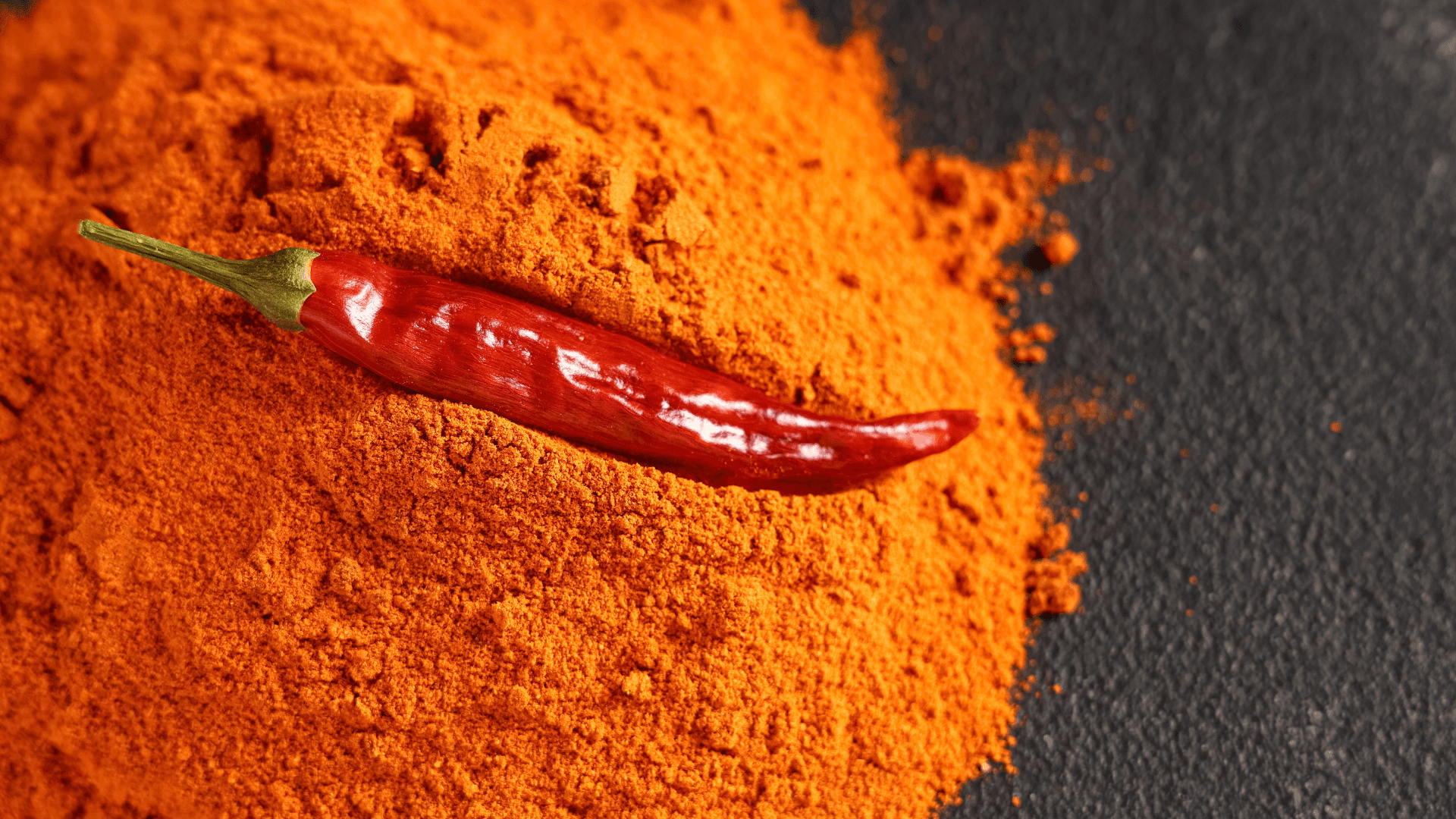
For years, flavour extensions in spirits followed a familiar formula: sweeter, louder, brighter. More colour. More sugar. More novelty. In 2026, that formula feels dated.
Across vodka, gin, rum, whiskey and even scotch, flavour is entering a new phase, one defined less by confectionery cues and more by botanical integrity, terroir and culinary influence.
The shift isn’t cosmetic. It’s structural. And it reflects a broader recalibration happening across beverage alcohol.
Out with the Sweet, In with the Spice
Flavoured spirits are not disappearing. But they are maturing.The era of hyper-sweet, artificially infused line extensions, designed primarily for quick recruitment, is giving way to a more disciplined, craft-led approach. Producers are slowing their innovation pipelines and focusing on longevity rather than short-term spikes.
What’s driving this reset?
Consumer fatigue with artificiality
The moderation movement
Growing scrutiny around ingredients
Portfolio rationalisation amid economic pressure
Today’s drinker reads labels. They ask whether flavours are natural or essence-based. They want to know where the fruit was sourced, how the botanicals were harvested, and whether additives are involved. Flavour is no longer decoration. It’s provenance.
Health, Wellness, and Transparency
The health & wellness conversation has expanded beyond alcohol content to ingredient transparency. As awareness around ultra-processed foods rises, similar scrutiny is being applied to spirits. Additives, artificial colourings and synthetic flavourings are increasingly questioned.
Retailers are responding. Some are introducing additive disclosures. Bartenders are bypassing factory flavours entirely, opting instead for house infusions: jasmine tequila, guava gin, chilli-cask whisky. This doesn’t mean flavoured spirits are being rejected. It means they must now justify themselves.
The Risk of Overcorrection
However, there is tension. Moving too far toward niche, hyper-specialised flavours carries commercial risk. A spicy pickle vodka may generate headlines, but it may not generate repeat purchase. Versatility still matters.
Flavour extensions must balance:
Distinctiveness
Mixability
Occasion relevance
Shelf longevity
The winners will be those that enhance the base spirit rather than overpower it.
Category by Category: A New Direction
Vodka: Heat Over Sugar
Flavoured vodka growth is flattening globally, yet spicy profiles are emerging as credible drivers. Jalapeño, hot honey and savoury martini builds reflect a broader culinary crossover. Importantly, the positioning has shifted from “sweet and fun” to “mixable and intentional.”
The hero occasion? Brunch. Aperitivo. Early-evening dining.
American Whiskey: Flavour Premiumises
In bourbon and rye, flavour extensions are evolving from honey and cherry toward experimental cask finishes and nuanced profiles. Chocolate malt influence without added sugar. Tequila-cask finishes. Culinary collaborations.
These aren’t flavoured in the traditional sense, but they expand flavour architecture in sophisticated ways.
Irish Whiskey: Highball-Ready Exploration
With projected double-digit growth for flavoured Irish blends, innovation is happening through fruit brandy finishes and high-ABV expressions built for highballs.
Here, flavour becomes a recruitment tool, especially for consumers historically resistant to whiskey’s intensity.
Scotch: Savoury, But Strategic
Umami and culinary collaborations have entered the scotch conversation, but cautiously.
Limited editions signal experimentation without diluting core identity. Savoury cues, like smoked meat and chilli casks, reflect gastronomy influence rather than confectionery.
Gin: Sobering Up
The sugar rush of early-2020s flavoured gin is over. Now the emphasis is on:
Hyper-local botanicals
Foraged ingredients
Spice-led complexity
Gin is rediscovering restraint.
Rum: Back to Roots
Rum is undergoing perhaps the most meaningful transformation. Botanical spiced rums are replacing syrup-heavy predecessors. Provenance and molasses origin stories are front and centre. Terroir, once a wine term, is now central in rum marketing.
The base spirit matters again.
Cask Innovation: The Flavour Frontier
Across categories, unconventional cask maturation is becoming the most credible flavour driver. Chestnut wood, fruit brandy casks, tequila barrels. This method allows brands to expand flavour without adding artificial infusions, reinforcing authenticity while delivering novelty.
🧠 Merch & Effect POV: From Gimmick to Gravitas
The evolution of flavour extensions mirrors a broader shift in consumer psychology: drinkers are not rejecting flavour, they are rejecting superficiality.
In 2026 and beyond, flavour must:
Add dimension, not disguise
Extend provenance, not distract from it
Serve occasion logic (brunch, aperitivo, highball)
Deliver repeatability
For brands, this has significant physical marketing implications:
If flavour is rooted in terroir, the POSM must tell that story.
If spice and savoury are rising, visual codes must shift away from candy colours.
If ingredient integrity is key, transparency must be embedded into design.
Flavour extensions are no longer the “fun SKU", but real strategic tools capable of recruiting, premiumising, and redefining categories. But only if handled with restraint.
Because in 2026, flavour is growing up. And so must the brands behind it.
For years, flavour extensions in spirits followed a familiar formula: sweeter, louder, brighter. More colour. More sugar. More novelty. In 2026, that formula feels dated.
Across vodka, gin, rum, whiskey and even scotch, flavour is entering a new phase, one defined less by confectionery cues and more by botanical integrity, terroir and culinary influence.
The shift isn’t cosmetic. It’s structural. And it reflects a broader recalibration happening across beverage alcohol.
Out with the Sweet, In with the Spice
Flavoured spirits are not disappearing. But they are maturing.The era of hyper-sweet, artificially infused line extensions, designed primarily for quick recruitment, is giving way to a more disciplined, craft-led approach. Producers are slowing their innovation pipelines and focusing on longevity rather than short-term spikes.
What’s driving this reset?
Consumer fatigue with artificiality
The moderation movement
Growing scrutiny around ingredients
Portfolio rationalisation amid economic pressure
Today’s drinker reads labels. They ask whether flavours are natural or essence-based. They want to know where the fruit was sourced, how the botanicals were harvested, and whether additives are involved. Flavour is no longer decoration. It’s provenance.
Health, Wellness, and Transparency
The health & wellness conversation has expanded beyond alcohol content to ingredient transparency. As awareness around ultra-processed foods rises, similar scrutiny is being applied to spirits. Additives, artificial colourings and synthetic flavourings are increasingly questioned.
Retailers are responding. Some are introducing additive disclosures. Bartenders are bypassing factory flavours entirely, opting instead for house infusions: jasmine tequila, guava gin, chilli-cask whisky. This doesn’t mean flavoured spirits are being rejected. It means they must now justify themselves.
The Risk of Overcorrection
However, there is tension. Moving too far toward niche, hyper-specialised flavours carries commercial risk. A spicy pickle vodka may generate headlines, but it may not generate repeat purchase. Versatility still matters.
Flavour extensions must balance:
Distinctiveness
Mixability
Occasion relevance
Shelf longevity
The winners will be those that enhance the base spirit rather than overpower it.
Category by Category: A New Direction
Vodka: Heat Over Sugar
Flavoured vodka growth is flattening globally, yet spicy profiles are emerging as credible drivers. Jalapeño, hot honey and savoury martini builds reflect a broader culinary crossover. Importantly, the positioning has shifted from “sweet and fun” to “mixable and intentional.”
The hero occasion? Brunch. Aperitivo. Early-evening dining.
American Whiskey: Flavour Premiumises
In bourbon and rye, flavour extensions are evolving from honey and cherry toward experimental cask finishes and nuanced profiles. Chocolate malt influence without added sugar. Tequila-cask finishes. Culinary collaborations.
These aren’t flavoured in the traditional sense, but they expand flavour architecture in sophisticated ways.
Irish Whiskey: Highball-Ready Exploration
With projected double-digit growth for flavoured Irish blends, innovation is happening through fruit brandy finishes and high-ABV expressions built for highballs.
Here, flavour becomes a recruitment tool, especially for consumers historically resistant to whiskey’s intensity.
Scotch: Savoury, But Strategic
Umami and culinary collaborations have entered the scotch conversation, but cautiously.
Limited editions signal experimentation without diluting core identity. Savoury cues, like smoked meat and chilli casks, reflect gastronomy influence rather than confectionery.
Gin: Sobering Up
The sugar rush of early-2020s flavoured gin is over. Now the emphasis is on:
Hyper-local botanicals
Foraged ingredients
Spice-led complexity
Gin is rediscovering restraint.
Rum: Back to Roots
Rum is undergoing perhaps the most meaningful transformation. Botanical spiced rums are replacing syrup-heavy predecessors. Provenance and molasses origin stories are front and centre. Terroir, once a wine term, is now central in rum marketing.
The base spirit matters again.
Cask Innovation: The Flavour Frontier
Across categories, unconventional cask maturation is becoming the most credible flavour driver. Chestnut wood, fruit brandy casks, tequila barrels. This method allows brands to expand flavour without adding artificial infusions, reinforcing authenticity while delivering novelty.
🧠 Merch & Effect POV: From Gimmick to Gravitas
The evolution of flavour extensions mirrors a broader shift in consumer psychology: drinkers are not rejecting flavour, they are rejecting superficiality.
In 2026 and beyond, flavour must:
Add dimension, not disguise
Extend provenance, not distract from it
Serve occasion logic (brunch, aperitivo, highball)
Deliver repeatability
For brands, this has significant physical marketing implications:
If flavour is rooted in terroir, the POSM must tell that story.
If spice and savoury are rising, visual codes must shift away from candy colours.
If ingredient integrity is key, transparency must be embedded into design.
Flavour extensions are no longer the “fun SKU", but real strategic tools capable of recruiting, premiumising, and redefining categories. But only if handled with restraint.
Because in 2026, flavour is growing up. And so must the brands behind it.
For years, flavour extensions in spirits followed a familiar formula: sweeter, louder, brighter. More colour. More sugar. More novelty. In 2026, that formula feels dated.
Across vodka, gin, rum, whiskey and even scotch, flavour is entering a new phase, one defined less by confectionery cues and more by botanical integrity, terroir and culinary influence.
The shift isn’t cosmetic. It’s structural. And it reflects a broader recalibration happening across beverage alcohol.
Out with the Sweet, In with the Spice
Flavoured spirits are not disappearing. But they are maturing.The era of hyper-sweet, artificially infused line extensions, designed primarily for quick recruitment, is giving way to a more disciplined, craft-led approach. Producers are slowing their innovation pipelines and focusing on longevity rather than short-term spikes.
What’s driving this reset?
Consumer fatigue with artificiality
The moderation movement
Growing scrutiny around ingredients
Portfolio rationalisation amid economic pressure
Today’s drinker reads labels. They ask whether flavours are natural or essence-based. They want to know where the fruit was sourced, how the botanicals were harvested, and whether additives are involved. Flavour is no longer decoration. It’s provenance.
Health, Wellness, and Transparency
The health & wellness conversation has expanded beyond alcohol content to ingredient transparency. As awareness around ultra-processed foods rises, similar scrutiny is being applied to spirits. Additives, artificial colourings and synthetic flavourings are increasingly questioned.
Retailers are responding. Some are introducing additive disclosures. Bartenders are bypassing factory flavours entirely, opting instead for house infusions: jasmine tequila, guava gin, chilli-cask whisky. This doesn’t mean flavoured spirits are being rejected. It means they must now justify themselves.
The Risk of Overcorrection
However, there is tension. Moving too far toward niche, hyper-specialised flavours carries commercial risk. A spicy pickle vodka may generate headlines, but it may not generate repeat purchase. Versatility still matters.
Flavour extensions must balance:
Distinctiveness
Mixability
Occasion relevance
Shelf longevity
The winners will be those that enhance the base spirit rather than overpower it.
Category by Category: A New Direction
Vodka: Heat Over Sugar
Flavoured vodka growth is flattening globally, yet spicy profiles are emerging as credible drivers. Jalapeño, hot honey and savoury martini builds reflect a broader culinary crossover. Importantly, the positioning has shifted from “sweet and fun” to “mixable and intentional.”
The hero occasion? Brunch. Aperitivo. Early-evening dining.
American Whiskey: Flavour Premiumises
In bourbon and rye, flavour extensions are evolving from honey and cherry toward experimental cask finishes and nuanced profiles. Chocolate malt influence without added sugar. Tequila-cask finishes. Culinary collaborations.
These aren’t flavoured in the traditional sense, but they expand flavour architecture in sophisticated ways.
Irish Whiskey: Highball-Ready Exploration
With projected double-digit growth for flavoured Irish blends, innovation is happening through fruit brandy finishes and high-ABV expressions built for highballs.
Here, flavour becomes a recruitment tool, especially for consumers historically resistant to whiskey’s intensity.
Scotch: Savoury, But Strategic
Umami and culinary collaborations have entered the scotch conversation, but cautiously.
Limited editions signal experimentation without diluting core identity. Savoury cues, like smoked meat and chilli casks, reflect gastronomy influence rather than confectionery.
Gin: Sobering Up
The sugar rush of early-2020s flavoured gin is over. Now the emphasis is on:
Hyper-local botanicals
Foraged ingredients
Spice-led complexity
Gin is rediscovering restraint.
Rum: Back to Roots
Rum is undergoing perhaps the most meaningful transformation. Botanical spiced rums are replacing syrup-heavy predecessors. Provenance and molasses origin stories are front and centre. Terroir, once a wine term, is now central in rum marketing.
The base spirit matters again.
Cask Innovation: The Flavour Frontier
Across categories, unconventional cask maturation is becoming the most credible flavour driver. Chestnut wood, fruit brandy casks, tequila barrels. This method allows brands to expand flavour without adding artificial infusions, reinforcing authenticity while delivering novelty.
🧠 Merch & Effect POV: From Gimmick to Gravitas
The evolution of flavour extensions mirrors a broader shift in consumer psychology: drinkers are not rejecting flavour, they are rejecting superficiality.
In 2026 and beyond, flavour must:
Add dimension, not disguise
Extend provenance, not distract from it
Serve occasion logic (brunch, aperitivo, highball)
Deliver repeatability
For brands, this has significant physical marketing implications:
If flavour is rooted in terroir, the POSM must tell that story.
If spice and savoury are rising, visual codes must shift away from candy colours.
If ingredient integrity is key, transparency must be embedded into design.
Flavour extensions are no longer the “fun SKU", but real strategic tools capable of recruiting, premiumising, and redefining categories. But only if handled with restraint.
Because in 2026, flavour is growing up. And so must the brands behind it.
Source: https://drinks-intel.com/spirits/how-the-role-of-flavour-extensions-in-spirits-will-evolve-in-2026-category-intel/
Source: https://drinks-intel.com/spirits/how-the-role-of-flavour-extensions-in-spirits-will-evolve-in-2026-category-intel/
Source: https://drinks-intel.com/spirits/how-the-role-of-flavour-extensions-in-spirits-will-evolve-in-2026-category-intel/
beyond posm



beyond posm
beyond posm