
Daytime Is the New Prime Time
Daytime Is the New Prime Time
Daytime Is the New Prime Time
Daytime Is the New Prime Time
Why Gen Z Is Rewriting Drinking Occasions
Why Gen Z Is Rewriting Drinking Occasions
Why Gen Z Is Rewriting Drinking Occasions
Why Gen Z Is Rewriting Drinking Occasions
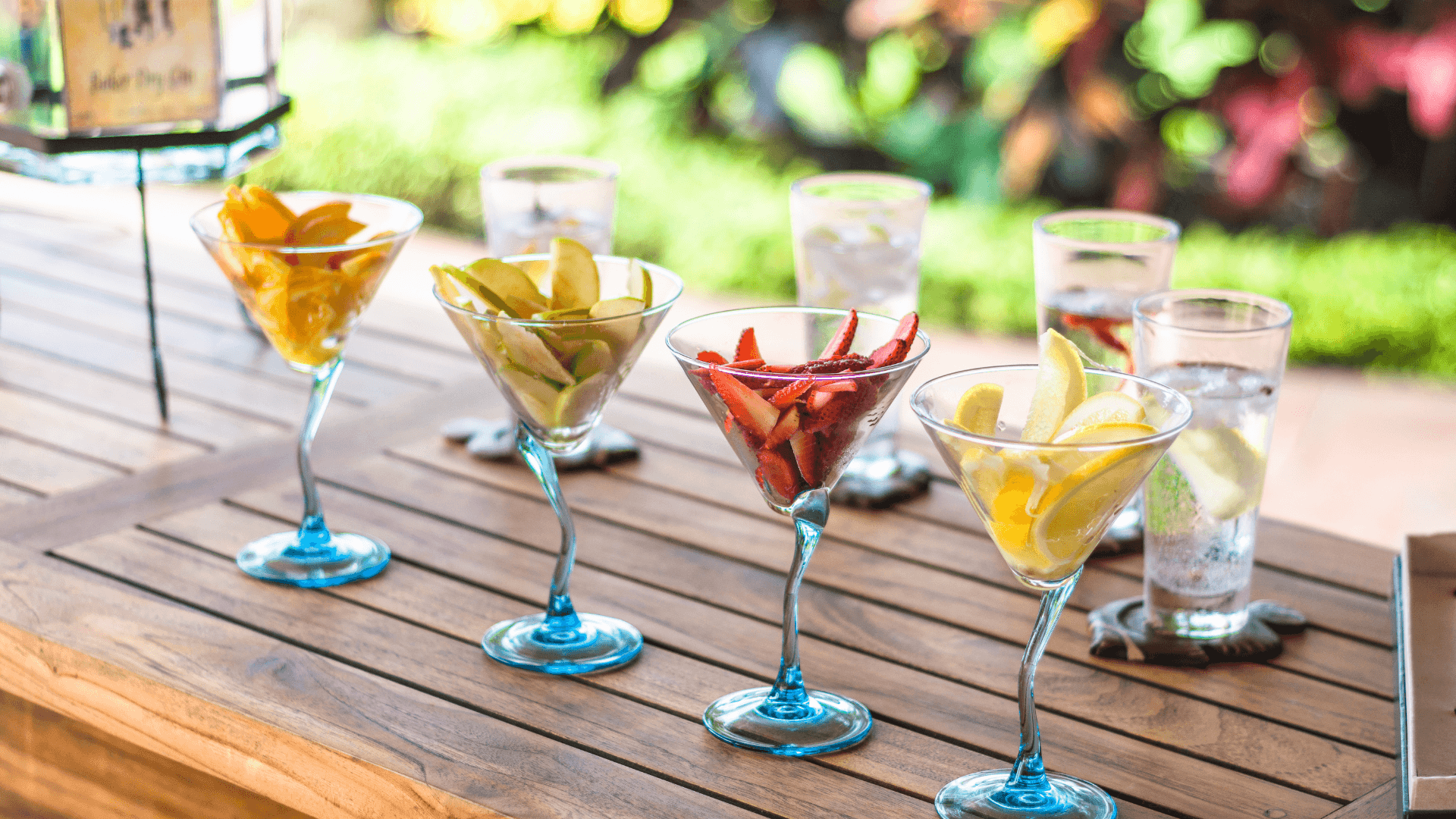
For years, alcohol marketing followed a predictable script: neon lights, midnight energy, crowded dancefloors, and the promise of “big nights.” But Gen Z didn’t read that script. Instead, they rewrote the timing.
Across major markets, a quiet but powerful shift is underway: drinking is moving earlier in the day, and brands that continue to centre nightlife as the primary occasion risk missing the cultural moment entirely.
🕒 The Rise of Day Drinking (Without the Guilt)
Recent data shows a clear pattern. Beer sales are softening after 5pm, while growth is strongest between 11am and 5pm. In the UK, major on-premise chains report that their busiest Saturday slot has shifted from 9pm to mid-afternoon. Bottomless brunch has overtaken happy hour as the dominant traffic driver.
This isn’t accidental. It’s behavioural. Younger consumers are reframing alcohol as:
A social enhancer, not an endurance sport
A daytime ritual, not a night-time climax
A shared dining experience, not a standalone event
The appeal is obvious: daylight feels healthier, safer, and more intentional. It allows social connection without sacrificing the next morning. And crucially, it aligns with broader lifestyle priorities: wellness, balance, and productivity.
🦓 Enter Zebra Striping
Parallel to the daytime shift is the rise of “zebra striping”: alternating alcoholic and non-alcoholic drinks during a single occasion.
A quarter of UK drinkers now practise it regularly. Among 18–24-year-olds, nearly 8 in 10 switch between alcoholic and soft drinks during a visit. In the US, Google searches for “zebra striping” have surged dramatically. This isn’t abstinence. It’s control.
Gen Z isn’t rejecting alcohol outright, they’re rejecting loss of agency. They want to participate socially, but without the physical and emotional cost traditionally associated with heavy sessions. The implication is profound: the occasion remains. The intensity changes.
🥂 Occasion > Intoxication
If we zoom out, what we’re seeing is not a decline in social drinking, but a recalibration of when and how it happens.
Brunch culture is exploding. Early-evening spritzes feel aspirational. Terrace beers at noon are normalised. The focus is on flavour, aesthetic continuity, and shared experience, not volume. Even product innovation is reflecting this shift:
Alcoholic and 0% variants with matching visual identities
Spritz-style serves designed for lighter, longer occasions
Campaigns encouraging “after-work refreshment” rather than late-night excess
The messaging is evolving from “let go” to “feel good.”
🎯 The Marketing Reset
Here’s where many brands risk misalignment.
Too much creative still draws from millennial nightlife codes, peak-time club energy, loud tempo, darkness as backdrop. But Gen Z’s defining drinking memories may happen:
At 2pm over small plates
On a rooftop in daylight
During a creative workshop
At a low-key after-work gathering
Campaigns that ignore this risk feeling culturally dated.
The opportunity is to reimagine alcohol not as rebellion, but as integration: something that fits seamlessly into a broader lifestyle rather than disrupting it.
🧠 Merch & Effect POV: Redesigning the Physical Moment
This shift has enormous implications for physical marketing and POSM.
Daytime occasions demand different cues:
Lighter materials
Brighter palettes
Fresher visual language
Serve suggestions aligned with food and shared formats
Brunch menus. Terrace displays. Spritz rituals. No/low adjacency. Visual continuity between alcoholic and alcohol-free variants. If daytime is the new prime time, then on-premise environments must feel built for it. Because this isn’t about trends cycling back to the 1970s or rediscovering old brunch ads. It’s about generational identity. Every cohort pushes against the previous one, and Gen Z’s push is toward balance.
They’re not abandoning ,alcohol. They’re repositioning it. And the brands that meet them at 3pm rather than waiting for midnight, will own the moment.
For years, alcohol marketing followed a predictable script: neon lights, midnight energy, crowded dancefloors, and the promise of “big nights.” But Gen Z didn’t read that script. Instead, they rewrote the timing.
Across major markets, a quiet but powerful shift is underway: drinking is moving earlier in the day, and brands that continue to centre nightlife as the primary occasion risk missing the cultural moment entirely.
🕒 The Rise of Day Drinking (Without the Guilt)
Recent data shows a clear pattern. Beer sales are softening after 5pm, while growth is strongest between 11am and 5pm. In the UK, major on-premise chains report that their busiest Saturday slot has shifted from 9pm to mid-afternoon. Bottomless brunch has overtaken happy hour as the dominant traffic driver.
This isn’t accidental. It’s behavioural. Younger consumers are reframing alcohol as:
A social enhancer, not an endurance sport
A daytime ritual, not a night-time climax
A shared dining experience, not a standalone event
The appeal is obvious: daylight feels healthier, safer, and more intentional. It allows social connection without sacrificing the next morning. And crucially, it aligns with broader lifestyle priorities: wellness, balance, and productivity.
🦓 Enter Zebra Striping
Parallel to the daytime shift is the rise of “zebra striping”: alternating alcoholic and non-alcoholic drinks during a single occasion.
A quarter of UK drinkers now practise it regularly. Among 18–24-year-olds, nearly 8 in 10 switch between alcoholic and soft drinks during a visit. In the US, Google searches for “zebra striping” have surged dramatically. This isn’t abstinence. It’s control.
Gen Z isn’t rejecting alcohol outright, they’re rejecting loss of agency. They want to participate socially, but without the physical and emotional cost traditionally associated with heavy sessions. The implication is profound: the occasion remains. The intensity changes.
🥂 Occasion > Intoxication
If we zoom out, what we’re seeing is not a decline in social drinking, but a recalibration of when and how it happens.
Brunch culture is exploding. Early-evening spritzes feel aspirational. Terrace beers at noon are normalised. The focus is on flavour, aesthetic continuity, and shared experience, not volume. Even product innovation is reflecting this shift:
Alcoholic and 0% variants with matching visual identities
Spritz-style serves designed for lighter, longer occasions
Campaigns encouraging “after-work refreshment” rather than late-night excess
The messaging is evolving from “let go” to “feel good.”
🎯 The Marketing Reset
Here’s where many brands risk misalignment.
Too much creative still draws from millennial nightlife codes, peak-time club energy, loud tempo, darkness as backdrop. But Gen Z’s defining drinking memories may happen:
At 2pm over small plates
On a rooftop in daylight
During a creative workshop
At a low-key after-work gathering
Campaigns that ignore this risk feeling culturally dated.
The opportunity is to reimagine alcohol not as rebellion, but as integration: something that fits seamlessly into a broader lifestyle rather than disrupting it.
🧠 Merch & Effect POV: Redesigning the Physical Moment
This shift has enormous implications for physical marketing and POSM.
Daytime occasions demand different cues:
Lighter materials
Brighter palettes
Fresher visual language
Serve suggestions aligned with food and shared formats
Brunch menus. Terrace displays. Spritz rituals. No/low adjacency. Visual continuity between alcoholic and alcohol-free variants. If daytime is the new prime time, then on-premise environments must feel built for it. Because this isn’t about trends cycling back to the 1970s or rediscovering old brunch ads. It’s about generational identity. Every cohort pushes against the previous one, and Gen Z’s push is toward balance.
They’re not abandoning ,alcohol. They’re repositioning it. And the brands that meet them at 3pm rather than waiting for midnight, will own the moment.
For years, alcohol marketing followed a predictable script: neon lights, midnight energy, crowded dancefloors, and the promise of “big nights.” But Gen Z didn’t read that script. Instead, they rewrote the timing.
Across major markets, a quiet but powerful shift is underway: drinking is moving earlier in the day, and brands that continue to centre nightlife as the primary occasion risk missing the cultural moment entirely.
🕒 The Rise of Day Drinking (Without the Guilt)
Recent data shows a clear pattern. Beer sales are softening after 5pm, while growth is strongest between 11am and 5pm. In the UK, major on-premise chains report that their busiest Saturday slot has shifted from 9pm to mid-afternoon. Bottomless brunch has overtaken happy hour as the dominant traffic driver.
This isn’t accidental. It’s behavioural. Younger consumers are reframing alcohol as:
A social enhancer, not an endurance sport
A daytime ritual, not a night-time climax
A shared dining experience, not a standalone event
The appeal is obvious: daylight feels healthier, safer, and more intentional. It allows social connection without sacrificing the next morning. And crucially, it aligns with broader lifestyle priorities: wellness, balance, and productivity.
🦓 Enter Zebra Striping
Parallel to the daytime shift is the rise of “zebra striping”: alternating alcoholic and non-alcoholic drinks during a single occasion.
A quarter of UK drinkers now practise it regularly. Among 18–24-year-olds, nearly 8 in 10 switch between alcoholic and soft drinks during a visit. In the US, Google searches for “zebra striping” have surged dramatically. This isn’t abstinence. It’s control.
Gen Z isn’t rejecting alcohol outright, they’re rejecting loss of agency. They want to participate socially, but without the physical and emotional cost traditionally associated with heavy sessions. The implication is profound: the occasion remains. The intensity changes.
🥂 Occasion > Intoxication
If we zoom out, what we’re seeing is not a decline in social drinking, but a recalibration of when and how it happens.
Brunch culture is exploding. Early-evening spritzes feel aspirational. Terrace beers at noon are normalised. The focus is on flavour, aesthetic continuity, and shared experience, not volume. Even product innovation is reflecting this shift:
Alcoholic and 0% variants with matching visual identities
Spritz-style serves designed for lighter, longer occasions
Campaigns encouraging “after-work refreshment” rather than late-night excess
The messaging is evolving from “let go” to “feel good.”
🎯 The Marketing Reset
Here’s where many brands risk misalignment.
Too much creative still draws from millennial nightlife codes, peak-time club energy, loud tempo, darkness as backdrop. But Gen Z’s defining drinking memories may happen:
At 2pm over small plates
On a rooftop in daylight
During a creative workshop
At a low-key after-work gathering
Campaigns that ignore this risk feeling culturally dated.
The opportunity is to reimagine alcohol not as rebellion, but as integration: something that fits seamlessly into a broader lifestyle rather than disrupting it.
🧠 Merch & Effect POV: Redesigning the Physical Moment
This shift has enormous implications for physical marketing and POSM.
Daytime occasions demand different cues:
Lighter materials
Brighter palettes
Fresher visual language
Serve suggestions aligned with food and shared formats
Brunch menus. Terrace displays. Spritz rituals. No/low adjacency. Visual continuity between alcoholic and alcohol-free variants. If daytime is the new prime time, then on-premise environments must feel built for it. Because this isn’t about trends cycling back to the 1970s or rediscovering old brunch ads. It’s about generational identity. Every cohort pushes against the previous one, and Gen Z’s push is toward balance.
They’re not abandoning ,alcohol. They’re repositioning it. And the brands that meet them at 3pm rather than waiting for midnight, will own the moment.
beyond posm



beyond posm
beyond posm