
India: The Industry’s Biggest Prize
India: The Industry’s Biggest Prize
India: The Industry’s Biggest Prize
India: The Industry’s Biggest Prize
..and Its Most Complex Battlefield
..and Its Most Complex Battlefield
..and Its Most Complex Battlefield
..and Its Most Complex Battlefield
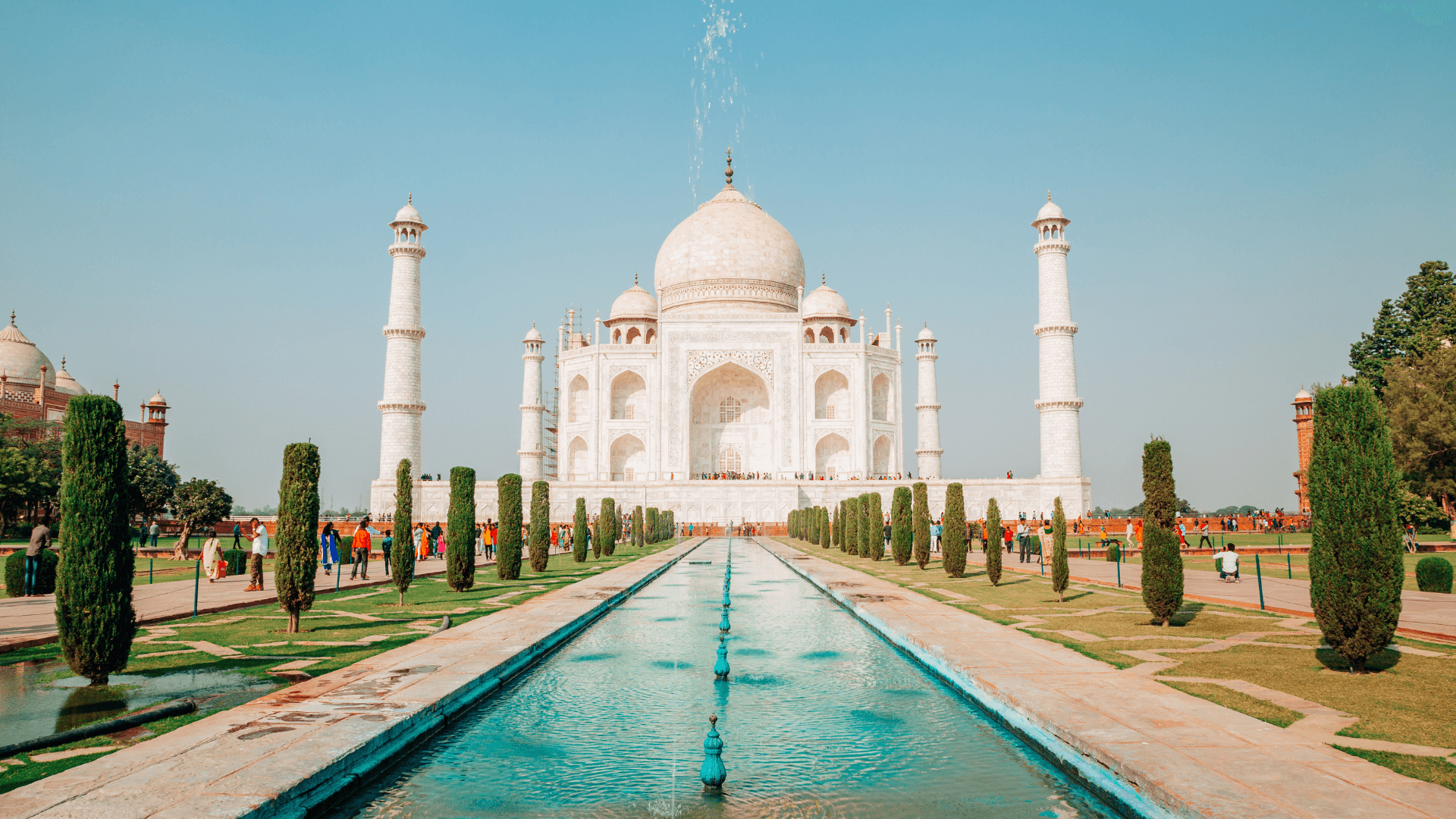
In a global market defined by slowdown, moderation and uncertainty, one country continues to dominate every long-term growth conversation: India.
The numbers are compelling. Beverage alcohol volumes have been steadily expanding, with continued growth projected across all categories through the next decade. Millions of new legal-drinking-age consumers enter the market every year, creating what is arguably the most significant expansion opportunity in the global industry today.
But behind the headlines lies a more nuanced reality: India is not just a growth market, it is a structural challenge, and one that will reward only the most strategically disciplined brands.
📈 Growth Is Real — But It’s Not Simple
India’s trajectory is undeniable:
Total beverage alcohol volumes growing steadily (≈3–4% CAGR)
Stronger momentum in RTDs (≈6% CAGR)
Rapid expansion of imported spirits (+16% CAGR historically)
Yet this growth is not evenly distributed:
Beer leads in volume.
Whisk(e)y dominates in serves.
RTDs are accelerating.
Wine remains inconsistent.
And beneath all categories lies a critical truth: domestic products still dominate, even as imports gain traction. India is expanding, but it is doing so on its own terms.
⚠️ A Market Defined by Complexity
What makes India unique isn’t just its size. It’s its fragmentation. Alcohol operates under state-by-state control, meaning:
Different tax systems
Different pricing structures
Different distribution models
Different product registrations
In some states, the government controls the entire supply chain. In others, hybrid or open-market systems apply. Pricing is often fixed, difficult to adjust, and heavily influenced by local excise policy.
The result? There is no single “India strategy.”
Success depends on navigating multiple micro-markets simultaneously — each with its own rules, economics and consumer dynamics.
🧠 The Indian Consumer: Value-Driven, Status-Aware
If the system is complex, the consumer is equally nuanced. On one hand, sentiment is highly positive. Urban consumers feel optimistic about their finances and are increasingly engaging in social occasions where alcohol plays a role. On the other, they are extremely value-conscious.
This creates a powerful tension:
Willingness to trade up for the right moment
Constant scrutiny of price and perceived value
Alcohol, in India, is both a social currency and a rational purchase: status matters, but so does justification.
🌍 Local Pride Meets Global Aspiration
One of the most interesting dynamics shaping India today is the coexistence of:
A “Western” category structure (whisk(e)y, rum, vodka)
A rising pride in local production and identity
Indian single malts are gaining ground, even competing with imported Scotch. Domestic brands are becoming more confident, launching premium expressions and limited editions at price points once reserved for imports.
At the same time, international brands are adapting:
Local flavour cues (mango, chilli, jamun)
Hybrid categories (tequila bridging clear and dark spirits)
Premium positioning tailored to aspirational consumers
India is no longer just importing trends, but is reshaping them locally.
🍹 The Emerging Growth Pockets
Despite its complexity, several clear opportunities are emerging:
RTDs: Fastest-growing segment, driven by convenience and younger consumers.
Tequila & Agave: Bridging categories and attracting new audiences, particularly women and cocktail drinkers.
Premium Domestic Spirits: Fuelled by national pride and improving quality perception.
Sparkling & Imported Wine: Benefiting from narrowing price gaps and potential trade agreements.
Also, growth is expanding beyond metros, with rising high-net-worth influence in Tier 2 cities. The opportunity is not singular. It is multi-layered.
⚖️ Moderation: Not Yet — But Coming
Unlike Western markets, India has not yet fully embraced moderation. Abstinence levels remain stable. Consumption is growing. Social drinking is becoming more accepted.
However, early signals are emerging:
Consumers alternating between alcoholic and non-alcoholic drinks
Increased focus on affordability during nights out
Growing openness to “drinking better” rather than “drinking more”
Moderation in India may not mirror Europe or the US, but it will evolve in its own way.
🧠 Merch & Effect POV: India Requires a New Playbook
India is often framed as the industry’s next big win. In reality, it is the industry’s ultimate test.
Winning here requires:
Hyper-local strategy rather than global replication
Flexible pricing and portfolio architecture
Deep understanding of state-level dynamics
Balance between aspiration and value
Cultural relevance, not just brand heritage
And critically, patience. Because India doesn’t reward shortcuts. It rewards brands that are willing to learn, adapt and invest in understanding its complexity over time.
🚀 The Bottom Line
India will define the next decade of beverage alcohol growth. But it won’t be won by the loudest brands or the fastest movers.
It will be won by those who:
Respect its complexity
Embrace its diversity
And build strategies that are as nuanced as the market itself
Because in India, scale isn’t the challenge. Precision is.
In a global market defined by slowdown, moderation and uncertainty, one country continues to dominate every long-term growth conversation: India.
The numbers are compelling. Beverage alcohol volumes have been steadily expanding, with continued growth projected across all categories through the next decade. Millions of new legal-drinking-age consumers enter the market every year, creating what is arguably the most significant expansion opportunity in the global industry today.
But behind the headlines lies a more nuanced reality: India is not just a growth market, it is a structural challenge, and one that will reward only the most strategically disciplined brands.
📈 Growth Is Real — But It’s Not Simple
India’s trajectory is undeniable:
Total beverage alcohol volumes growing steadily (≈3–4% CAGR)
Stronger momentum in RTDs (≈6% CAGR)
Rapid expansion of imported spirits (+16% CAGR historically)
Yet this growth is not evenly distributed:
Beer leads in volume.
Whisk(e)y dominates in serves.
RTDs are accelerating.
Wine remains inconsistent.
And beneath all categories lies a critical truth: domestic products still dominate, even as imports gain traction. India is expanding, but it is doing so on its own terms.
⚠️ A Market Defined by Complexity
What makes India unique isn’t just its size. It’s its fragmentation. Alcohol operates under state-by-state control, meaning:
Different tax systems
Different pricing structures
Different distribution models
Different product registrations
In some states, the government controls the entire supply chain. In others, hybrid or open-market systems apply. Pricing is often fixed, difficult to adjust, and heavily influenced by local excise policy.
The result? There is no single “India strategy.”
Success depends on navigating multiple micro-markets simultaneously — each with its own rules, economics and consumer dynamics.
🧠 The Indian Consumer: Value-Driven, Status-Aware
If the system is complex, the consumer is equally nuanced. On one hand, sentiment is highly positive. Urban consumers feel optimistic about their finances and are increasingly engaging in social occasions where alcohol plays a role. On the other, they are extremely value-conscious.
This creates a powerful tension:
Willingness to trade up for the right moment
Constant scrutiny of price and perceived value
Alcohol, in India, is both a social currency and a rational purchase: status matters, but so does justification.
🌍 Local Pride Meets Global Aspiration
One of the most interesting dynamics shaping India today is the coexistence of:
A “Western” category structure (whisk(e)y, rum, vodka)
A rising pride in local production and identity
Indian single malts are gaining ground, even competing with imported Scotch. Domestic brands are becoming more confident, launching premium expressions and limited editions at price points once reserved for imports.
At the same time, international brands are adapting:
Local flavour cues (mango, chilli, jamun)
Hybrid categories (tequila bridging clear and dark spirits)
Premium positioning tailored to aspirational consumers
India is no longer just importing trends, but is reshaping them locally.
🍹 The Emerging Growth Pockets
Despite its complexity, several clear opportunities are emerging:
RTDs: Fastest-growing segment, driven by convenience and younger consumers.
Tequila & Agave: Bridging categories and attracting new audiences, particularly women and cocktail drinkers.
Premium Domestic Spirits: Fuelled by national pride and improving quality perception.
Sparkling & Imported Wine: Benefiting from narrowing price gaps and potential trade agreements.
Also, growth is expanding beyond metros, with rising high-net-worth influence in Tier 2 cities. The opportunity is not singular. It is multi-layered.
⚖️ Moderation: Not Yet — But Coming
Unlike Western markets, India has not yet fully embraced moderation. Abstinence levels remain stable. Consumption is growing. Social drinking is becoming more accepted.
However, early signals are emerging:
Consumers alternating between alcoholic and non-alcoholic drinks
Increased focus on affordability during nights out
Growing openness to “drinking better” rather than “drinking more”
Moderation in India may not mirror Europe or the US, but it will evolve in its own way.
🧠 Merch & Effect POV: India Requires a New Playbook
India is often framed as the industry’s next big win. In reality, it is the industry’s ultimate test.
Winning here requires:
Hyper-local strategy rather than global replication
Flexible pricing and portfolio architecture
Deep understanding of state-level dynamics
Balance between aspiration and value
Cultural relevance, not just brand heritage
And critically, patience. Because India doesn’t reward shortcuts. It rewards brands that are willing to learn, adapt and invest in understanding its complexity over time.
🚀 The Bottom Line
India will define the next decade of beverage alcohol growth. But it won’t be won by the loudest brands or the fastest movers.
It will be won by those who:
Respect its complexity
Embrace its diversity
And build strategies that are as nuanced as the market itself
Because in India, scale isn’t the challenge. Precision is.
In a global market defined by slowdown, moderation and uncertainty, one country continues to dominate every long-term growth conversation: India.
The numbers are compelling. Beverage alcohol volumes have been steadily expanding, with continued growth projected across all categories through the next decade. Millions of new legal-drinking-age consumers enter the market every year, creating what is arguably the most significant expansion opportunity in the global industry today.
But behind the headlines lies a more nuanced reality: India is not just a growth market, it is a structural challenge, and one that will reward only the most strategically disciplined brands.
📈 Growth Is Real — But It’s Not Simple
India’s trajectory is undeniable:
Total beverage alcohol volumes growing steadily (≈3–4% CAGR)
Stronger momentum in RTDs (≈6% CAGR)
Rapid expansion of imported spirits (+16% CAGR historically)
Yet this growth is not evenly distributed:
Beer leads in volume.
Whisk(e)y dominates in serves.
RTDs are accelerating.
Wine remains inconsistent.
And beneath all categories lies a critical truth: domestic products still dominate, even as imports gain traction. India is expanding, but it is doing so on its own terms.
⚠️ A Market Defined by Complexity
What makes India unique isn’t just its size. It’s its fragmentation. Alcohol operates under state-by-state control, meaning:
Different tax systems
Different pricing structures
Different distribution models
Different product registrations
In some states, the government controls the entire supply chain. In others, hybrid or open-market systems apply. Pricing is often fixed, difficult to adjust, and heavily influenced by local excise policy.
The result? There is no single “India strategy.”
Success depends on navigating multiple micro-markets simultaneously — each with its own rules, economics and consumer dynamics.
🧠 The Indian Consumer: Value-Driven, Status-Aware
If the system is complex, the consumer is equally nuanced. On one hand, sentiment is highly positive. Urban consumers feel optimistic about their finances and are increasingly engaging in social occasions where alcohol plays a role. On the other, they are extremely value-conscious.
This creates a powerful tension:
Willingness to trade up for the right moment
Constant scrutiny of price and perceived value
Alcohol, in India, is both a social currency and a rational purchase: status matters, but so does justification.
🌍 Local Pride Meets Global Aspiration
One of the most interesting dynamics shaping India today is the coexistence of:
A “Western” category structure (whisk(e)y, rum, vodka)
A rising pride in local production and identity
Indian single malts are gaining ground, even competing with imported Scotch. Domestic brands are becoming more confident, launching premium expressions and limited editions at price points once reserved for imports.
At the same time, international brands are adapting:
Local flavour cues (mango, chilli, jamun)
Hybrid categories (tequila bridging clear and dark spirits)
Premium positioning tailored to aspirational consumers
India is no longer just importing trends, but is reshaping them locally.
🍹 The Emerging Growth Pockets
Despite its complexity, several clear opportunities are emerging:
RTDs: Fastest-growing segment, driven by convenience and younger consumers.
Tequila & Agave: Bridging categories and attracting new audiences, particularly women and cocktail drinkers.
Premium Domestic Spirits: Fuelled by national pride and improving quality perception.
Sparkling & Imported Wine: Benefiting from narrowing price gaps and potential trade agreements.
Also, growth is expanding beyond metros, with rising high-net-worth influence in Tier 2 cities. The opportunity is not singular. It is multi-layered.
⚖️ Moderation: Not Yet — But Coming
Unlike Western markets, India has not yet fully embraced moderation. Abstinence levels remain stable. Consumption is growing. Social drinking is becoming more accepted.
However, early signals are emerging:
Consumers alternating between alcoholic and non-alcoholic drinks
Increased focus on affordability during nights out
Growing openness to “drinking better” rather than “drinking more”
Moderation in India may not mirror Europe or the US, but it will evolve in its own way.
🧠 Merch & Effect POV: India Requires a New Playbook
India is often framed as the industry’s next big win. In reality, it is the industry’s ultimate test.
Winning here requires:
Hyper-local strategy rather than global replication
Flexible pricing and portfolio architecture
Deep understanding of state-level dynamics
Balance between aspiration and value
Cultural relevance, not just brand heritage
And critically, patience. Because India doesn’t reward shortcuts. It rewards brands that are willing to learn, adapt and invest in understanding its complexity over time.
🚀 The Bottom Line
India will define the next decade of beverage alcohol growth. But it won’t be won by the loudest brands or the fastest movers.
It will be won by those who:
Respect its complexity
Embrace its diversity
And build strategies that are as nuanced as the market itself
Because in India, scale isn’t the challenge. Precision is.
Source: https://drinks-intel.com/cross-category/how-alcohol-brands-can-secure-an-advantage-in-india-consumer-intel/
Source: https://drinks-intel.com/cross-category/how-alcohol-brands-can-secure-an-advantage-in-india-consumer-intel/
Source: https://drinks-intel.com/cross-category/how-alcohol-brands-can-secure-an-advantage-in-india-consumer-intel/
beyond posm



beyond posm
beyond posm